Or visit the free pop-up show: Unconventional Constable, a mixed experience of Constable art, in East Bergholt, the birthplace of the artist, 17-23 August:
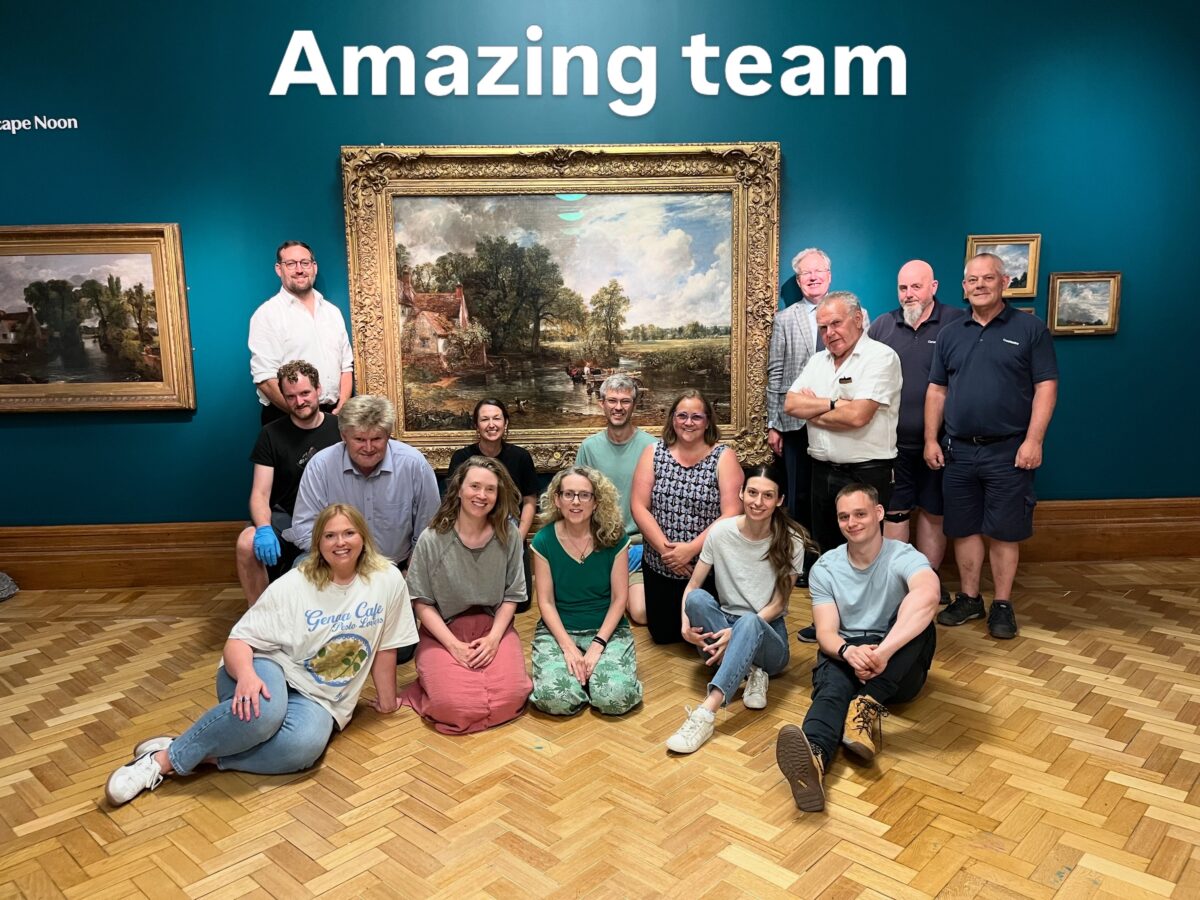
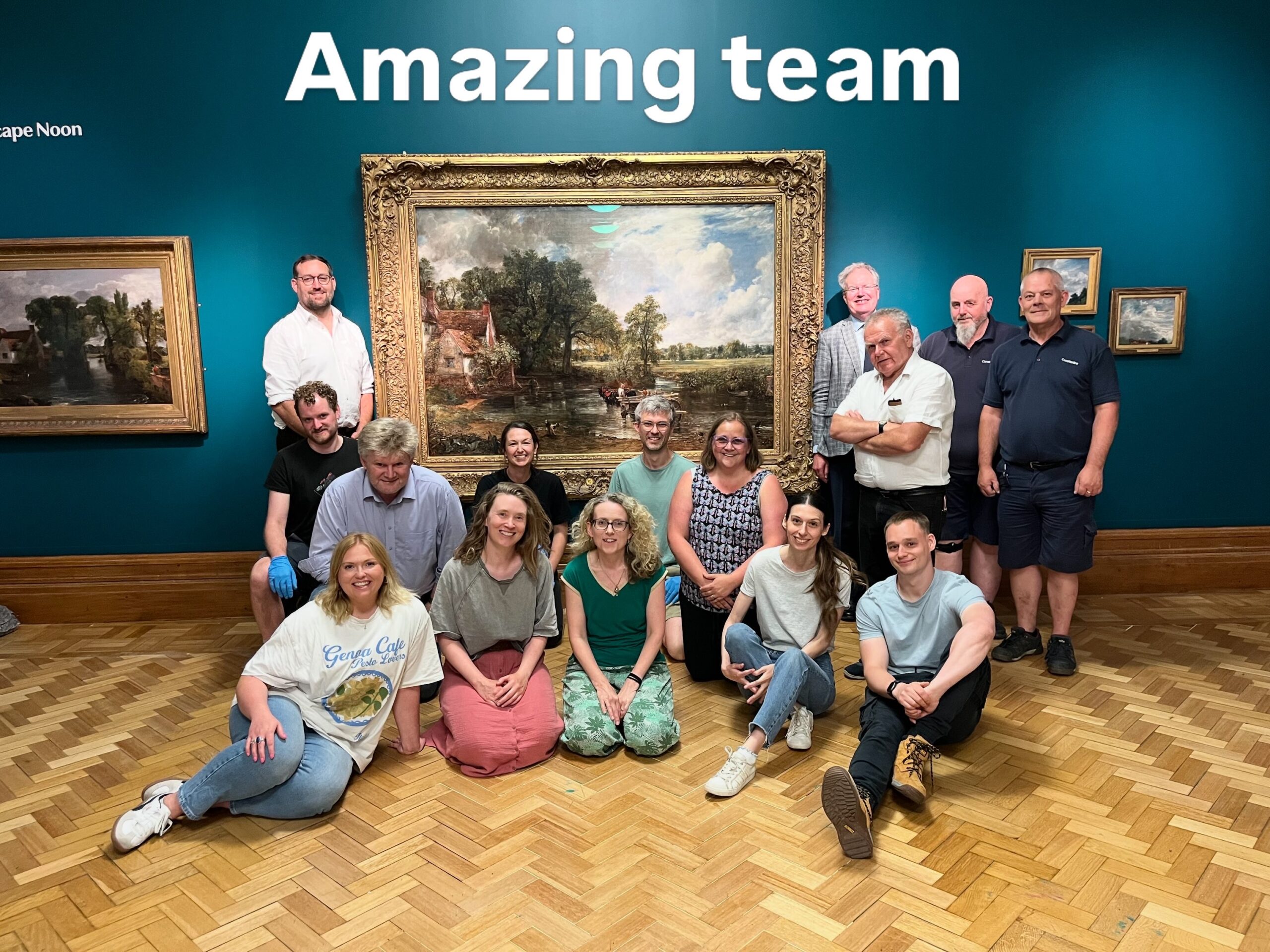
Regular readers will know of the Trust’s admiration of Emma Roodhouse (Collections & Learning Curator Art) of Colchester and Ipswich Museums Service. See our Cobbweb: Cloth to Canvas, from April this year. We were privileged to receive from her this ‘behind the scenes’ picture of her – centre front – and her team, having just completed the hanging.
We wish the exhibition, which runs until 4th October, every possible success and thank you Emma.
By issuing the Declaration of Independence on 4th July 1776, the thirteen American colonies severed their political connections with Great Britain and opened the way for an alliance with France to help with the war against their former masters.
King George III needed money to fight his war with France and persuaded his government that the American colonies were a ready source. The colonists were largely loyal to the king but, not unreasonably, objected to ‘taxation without representation’. Despite their repeated protests the British government pursued its aim, closing the port of Boston and declaring martial war in Massachusetts. Battles raged. In response the colonial governments sent delegates to a Continental Congress to coordinate the boycott of British goods.
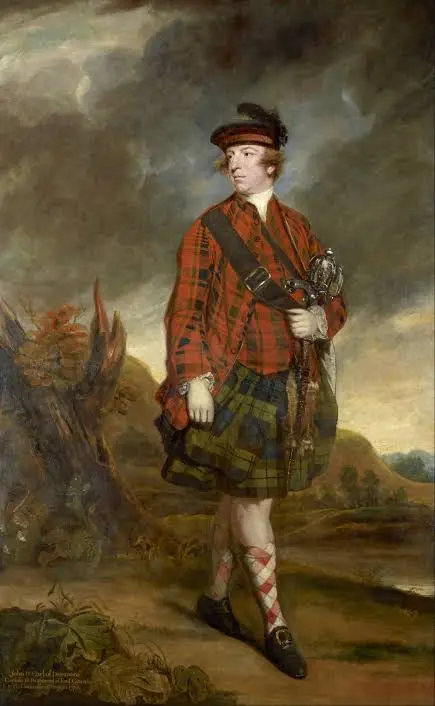
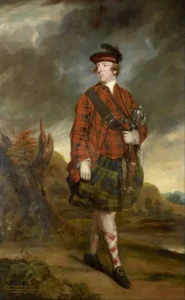
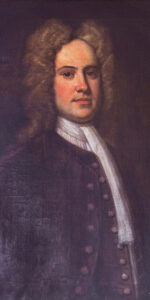
John Murray, 4th Earl of Dunmore
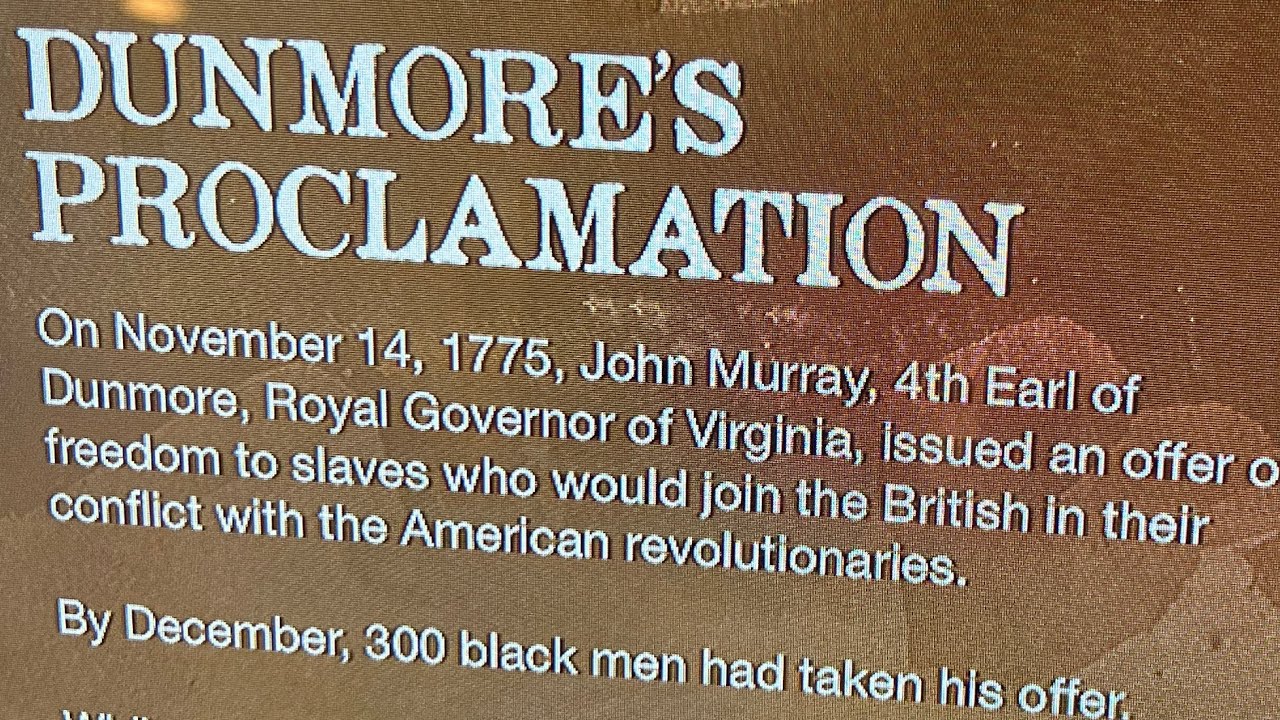
Continental leaders hoped for reconciliation but, lacking a response during the winter of 1775 increasingly came to the conclusion that a declaration of independence was going to be the only option. In November 1775, John Murray, the 4th Earl of Dunmore (1730-1809) #15486 and Virginia’s royal governor, issued what became known as Lord Dunmore’s Proclamation, which declared:
I do, in virtue of the power and authority to me given, by his majesty, determine to execute martial law, and cause the same to be executed throughout this colony; and to the end that peace and good order may the sooner be restored, I do require every person capable of bearing arms to resort to his Majesty’s STANDARD, or be looked upon as traitors to his Majesty’s crown and government, and thereby become liable to the penalty the law inflicts upon such offences, such as forfeiture of life, confiscation of lands &c. &c. And I do hereby farther declare all indentured servants, Negroes, or others free, that are able and willing to bear arms, they joining his Majesty’s troops, as soon as may be, for the more speedily reducing this Colony to a proper sense of their duty, to his Majesty’s crown and dignity. I do father order, and require all his Majesty’s liege subjects to retain their quitrents, or any other taxes due, or that may become due, in their own custody, till such time as peace may be again restored to this at present most unhappy country, or demanded of them for their former salutary purposes, by officers properly authorised to receive the same.
Dunmore’s Proclamation
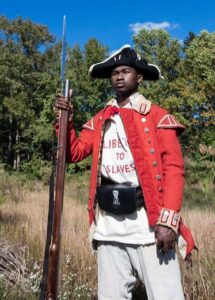
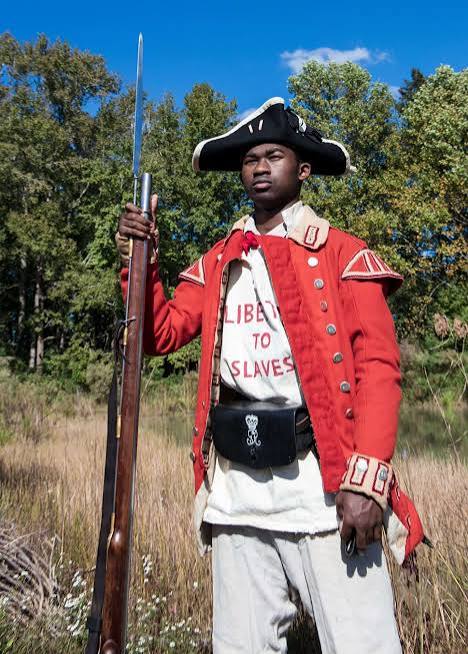
Hundreds of enslaved men joined what was known as the Ethiopian Regiment but, untrained and decimated by smallpox, the army was weakened. Dunmore’s troops were defeated at the Battle of Great Bridge. Dunmore took refuge on board the ship William off Norfolk, Virginia.
A re-enactor dressed as a soldier of the Ethiopian Regiment.
With hindsight the Proclamation was a short-term failure but it was the first large-scale offer of freedom to enslaved people. It fanned the flames of conflict between the Colonists’ fight for liberty and the continuing institution of slavery but unquestionably emboldened enslaved peoples to seek freedom.
Anthony Cobbold
June 2026
John Murray, 4th Earl of Dunmore
Dunmore’s Proclamation
A re-enactor dressed as a soldier of the Ethiopian Regiment.
This piece was written in April 2026 by Anthony Cobbold for the curators of the exhibition The Moon: Meet Our Nearest Neighbour, which is on at The Hold, Ipswich from Friday 26th June to Saturday 19th September 2026.
A Suffolk-born professor, largely unknown to the general public, who has a lunar crater named after him.
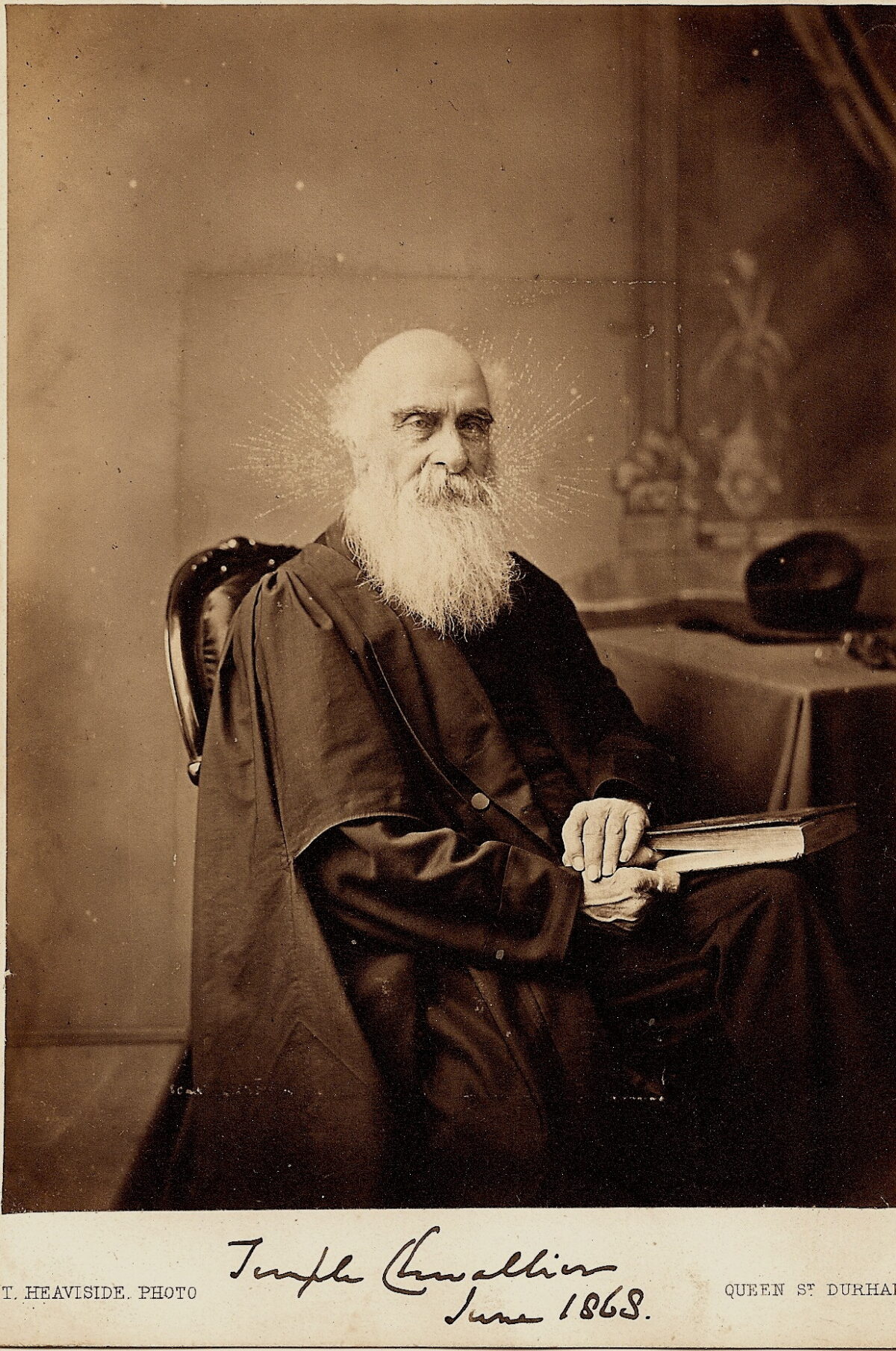
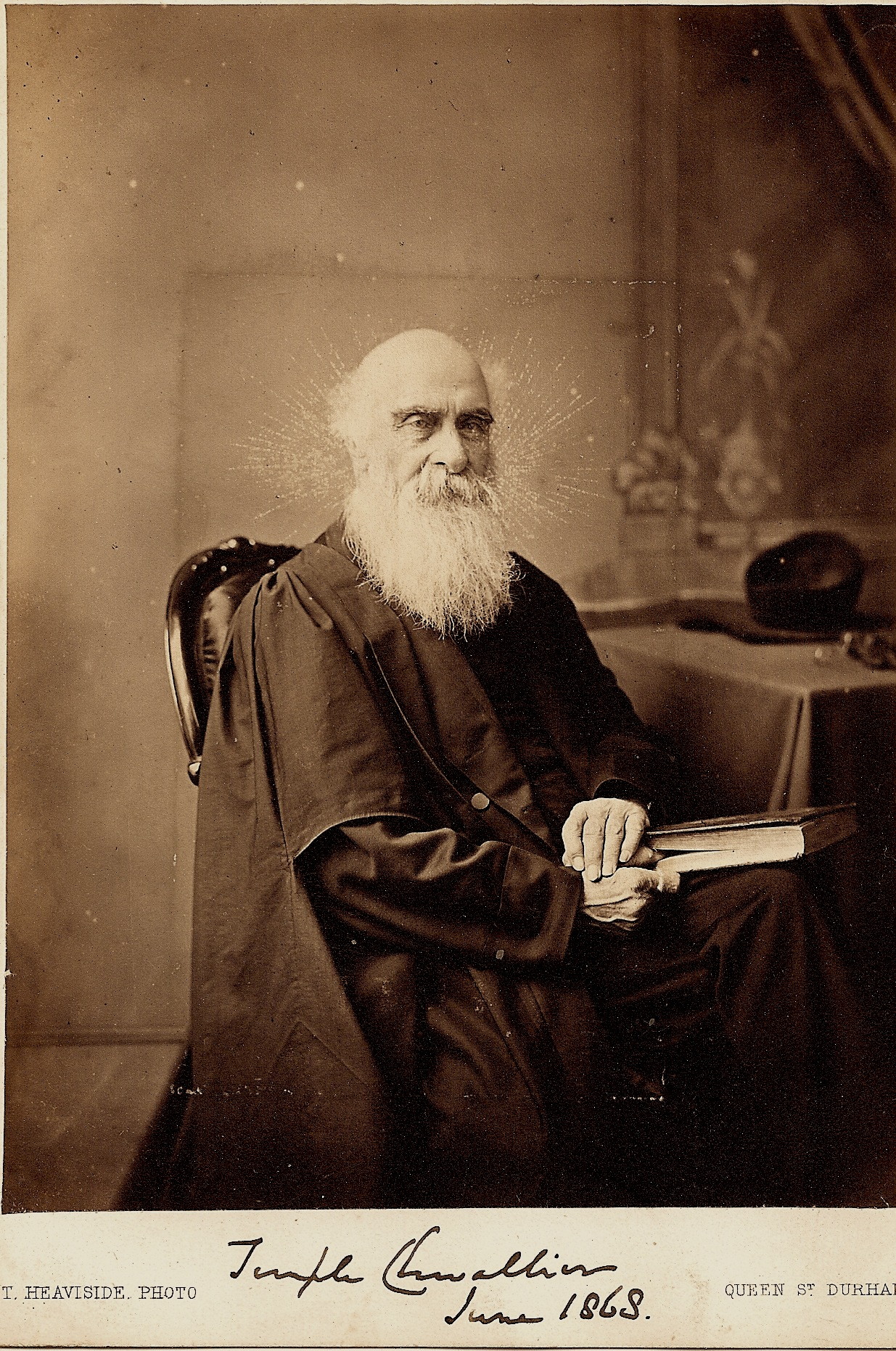
Temple Chevallier, 1868
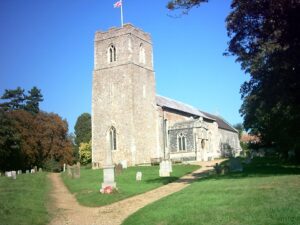
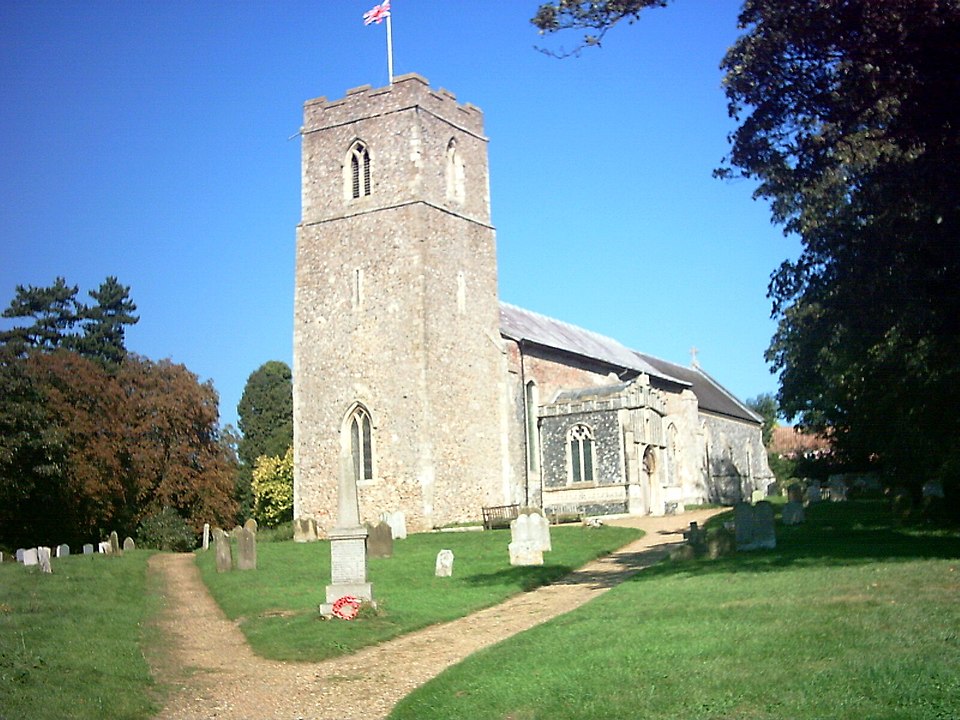
Temple Chevallier was born on 19th October 1794, a twin, in Badingham, Suffolk, to Rev Temple Chevallier (1764–1816), rector of St John the Baptist, and Sarah Edgcumbe (1766–1818). The younger Temple was educated in Bury St Edmunds and Ipswich, before going up to Pembroke College, Cambridge, in 1813. He was awarded a prestigious Bell scholarship, and graduated in 1817 as second wrangler – essentially the second-best mathematician in the university. His meteoric rise up the academic hierarchy was heralded by fellowships at Pembroke and St Catharine’s colleges.
St. John the Baptist, Badingham
In 1818, after being ordained by the Bishop of Ely, he was appointed curate, and later vicar, of St Andrew the Great, the church of the city of Cambridge (the university church is St Mary the Great). He proceeded to MA in 1820 and BD (bachelor of divinity) in 1825. He was twice invited to give the Hulsean lecture, which explored the overlap between theology and astronomy. Chevallier would inhabit this intellectual territory for the rest of his life – and he lends his name to an occasional lecture series still held at Durham University, which delves into those twin spheres. The second of his Hulsean lectures was published as Of the Proofs of Divine Power and Wisdom: Derived from the Study of Astronomy.
Chevallier (whose name is well known in Suffolk for his family’s organic cyder business) was a cleric, classicist, mathematician and lecturer of great ability. During his final years at Cambridge, he was moderator in the mathematical tripos and an examiner in the classical tripos; he also taught Hebrew.
Whilst in Cambridge he married Catherine Wheelwright (1794–1858), whose grandfather Nathaniel Wheelwright had run up debts of £154,000 – almost destroying the entire financial structure of Massachusetts. Temple and Catherine had two daughters (Catherine and Alicia) and a son, also called Temple, who died young.
In 1835 he became professor of mathematics and astronomy at the newly founded University of Durham. It seems to have been a time of ‘all hands to the pump’, because he was additionally registrar, reader in Hebrew and lecturer in divinity. He also served as perpetual parish priest at Esh, a village just outside Durham, where he restored the church and founded the village school.
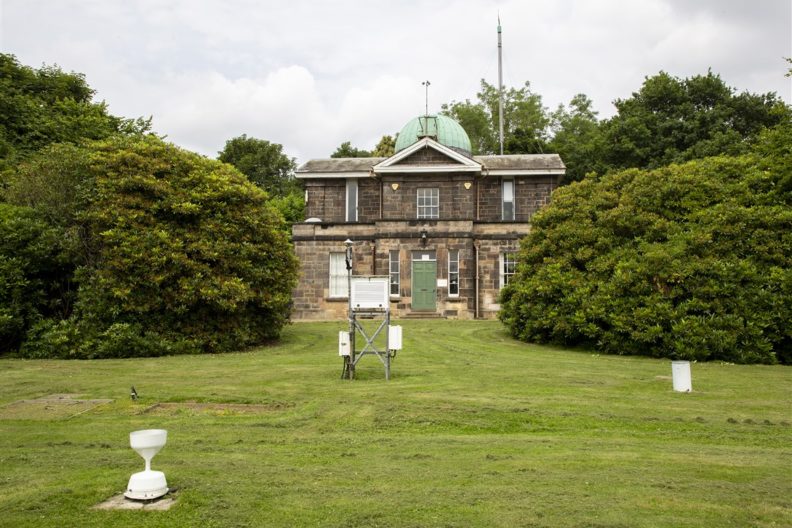
Looking back at Chevallier’s career, it is hard to avoid the conclusion that, despite the extraordinary range of his academic achievement, astronomy was his first love. On arrival in Durham, he immediately set about raising funds for the construction of an observatory and the provision of its telescope. The building, now Grade II listed, was designed by Anthony Salvin and the early instruments were donated by public subscription and local clergy.
Durham Observatory, July 2021, by Michele Allan
Chevallier published in the journals of the Royal Astronomical Society some thirteen papers, including: Observations on the Planet Neptune; Observations on the Planets Flora, Isis and Neptune; Diameters of the Sun; and On a method of finding the Effect of Parallax at different places, upon the time of disappearance and reappearance of a Star occulted by the Moon.
He was elected a fellow of the Royal Astronomical Society on 13th December 1839, but continued with his quest to introduce scientific studies into education. In 1837 he helped set up the first ever course in civil engineering and mining, with the first students arriving the following year. Sadly, it did not prove a success, and the course was abandoned a few years later. In 1871 Chevallier was instrumental in establishing the College of Physical Science, located in Newcastle but largely supported from Durham – and this did prove successful. However, his health was declining, and he was forced to resign his professorship and other appointments.
He was staying with his daughter Alicia and son-in-law Rev R. J. Knight at the Vicarage, Harrow Weald when, on 4th November 1873 he died, having just entered his eightieth year. He was buried beside his church in Esh, and lies close to his wife, sister and son.
The Chevallier graves at Esh
In 1935, a lunar crater was named after Chevallier in recognition of his selfless contribution to astronomy at the University of Durham. He had enhanced astronomical teaching and research, and was largely responsible for the funding of the famous observatory. The name was adopted by the International Astronomical Union (IAU) as part of its inaugural standardisation nomenclature during the union’s sixth general assembly in Cambridge, Massachusetts.
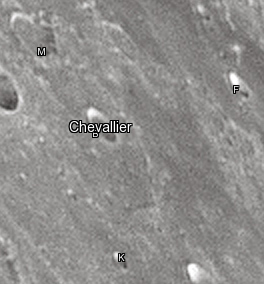
Chevallier is a lunar impact crater around 52km in diameter, situated on the moon’s near side in the northeastern quadrant. It has four satellite craters: Chevallier B (13km diameter); Chevallier F (9km); Chevallier K (6km) and Chevallier M (16km).
Chevallier lunar crater showing satellites B, F, K & M
But that is not his only legacy.
In 2020, the Rev Professor David Wilkinson of the Department of Theology and Religion led a seminar celebrating the major milestone of 1,300 years of theological study and tradition at Durham University. This included an account of the long and rewarding life of Temple Chevallier, whose work, Wilkinson said, had helped lay the foundations for an explosion of interest in astronomy in the 20th century. Among those inspired was Stephen Hawking, with his ground-breaking research on black holes and the Big Bang, as well as recent work in Durham on both cosmology and theology.
Professor Martin Ward, a renowned observational astrophysicist, occupies the Temple Chevallier Chair of Astronomy at Durham – and in 2023 he gave the latest in the occasional series of public Temple Chevallier lectures, entitled The End is Not Yet Nigh: The Ultimate Fate of the Universe. In the audience was Hugh Chevallier, a first cousin (four times removed) of the great man.
The Durham observatory began keeping meteorological – as well as astronomical – information in 1841, but the earliest records have not survived. The first readings which we still have were taken at 9am on 23rd July 1843, and figures were manually entered until October 1999, when the Met Office automatic weather station took over. Durham’s meteorological record is the third-longest continuous series in the United Kingdom; only records from the Radcliffe Observatory in Oxford (dating from 1772) and Armagh Observatory (1795) stretch back beyond 1843.
Data from sites such as Durham are of enormous value – never more than now, – in analysing and understanding changes in climate, but it was the ‘outstanding universal value’ of Durham, its cathedral, castle and university that prompted UNESCO to declare the city a World Heritage Site in 1986. It has been a centre of religion, education and pilgrimage for over 1,000 years.
Durham
Little did Suffolk-born Temple Chevallier imagine that his 38 years in Durham would have so profound a legacy, or that in 2026 his importance in the history of scientific and religious study would be so firmly established.
Anthony Cobbold
Trustee, The Cobbold Family History Trust.
April 2026
Temple Chevallier, 1868
St. John the Baptist, Badingham
Durham
Durham Observatory, 1921, by Michele Allan
Chevallier lunar crater showing satellites B, F, K & M
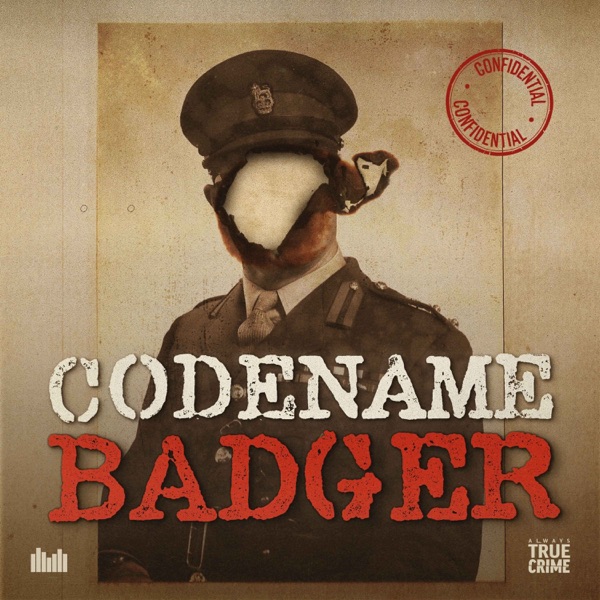
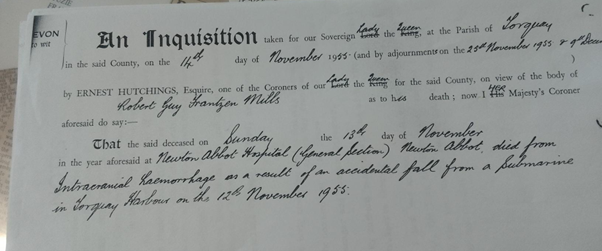
Even if podcasts are unexplored territory, to be recommended is the recently released Only True Crime podcast “Codename Badger”. Spanning seven episodes (with more in the pipeline) it tells the story of a man named John Cottell who spun a web of lies entrapping a widowed mother of four, Josephine Mills, who, believing his every word, trusted and supported him over five decades. She effectively handed over her life to a man who confided in her that he would one day have information vital to her knowing the reason for her husband, Robbie Mills’ sudden death falling from a submarine in November 1955.
Robbie and Josephine were my parents. This story has encompassed most of my life, yet has recently come to the fore with the publication of “Codename Badger” in this, my 80th year.
If you have already listened to the first episode ‘The Stranger’ you will know that early in 1956, John Cottell knocked on our front door introducing himself as my late father’s best friend. For your husband’s best friend to be unknown to you is curious, but perhaps my mother was intrigued by her visitor. He claimed to have been in the Army during WW2 alongside Robbie. He soon disclosed that he had worked for the British Secret Services as, he said, had Robbie, but it all had to be hushed up for fear of repercussions.
It was from that time on that my mother became increasingly secretive and, in parallel, more religious. As someone who rarely shared her thoughts or feelings, we, her four children, sensed it. From then on, she hinted that John Cottell, who became a regular, if unpredictable visitor, was not all he seemed. He was more than just a beach photographer, but his other work was to be kept secret. The message we picked up from her was that she wouldn’t say, so we mustn’t ask.
Such was the atmosphere in our home though perhaps at some stage she implied that John held secrets to do with our father’s death; another topic not openly shared. Until, as part of my enquiries into my father’s life, I read the Inquest Report, in 2003 I had had no idea alcohol had been part of the story of his fall. We knew he liked to drink pink gin – there were Angostura bitters in the drinks cupboard.
The inquest report
Over the next decades John continued to feature in our lives; he would often turn up at our home in Devon, then after 1959, in Hampshire, with his stories. One time he told my mother he had killed someone with a poisoned umbrella (viz Georgi Markov assassination in 1978) but had not been charged, to which my mother muttered “he must hold a very high up position” (implying, in the Intelligence Service, to get away with it). His stories were pretty far-fetched with never any evidence to substantiate them.
At his suggestion. during a holiday together in Florida in 1985, in 1987 my mother retired to live in Andorra to be with John. Then, like her, we waited, but on the side lines, for him to join her. He would make short visits from America, accepting sums of money from her that he claimed he needed for a case at the Court of Human Rights in Strasbourg with the promise of untold wealth when his case was proven. Over the next 13 years my sister, brother and I visited her regularly for skiing and summer holidays. As we know from family photographs and mentions in my mother’s diaries, John was sometimes there too for a visit of perhaps two or three weeks. However, he told her he was unable to be with her permanently as he was still working for the secret services and to marry would need permission from his commanding officer.
From the start, as a recently bereaved child of 9, I had disliked John Cottell, but after so many years I tolerated him for my mother’s sake. Even when serious enquiries in Parliament failed to confirm John’s stories of being in the Army and SOE, she remained closed to any suggestions he was not all he said he was, convinced that God was asking her to protect him. We were very sceptical but she remained secretive and was not open to discussion. We knew how much she wanted to be with him, so felt she should be free to live her life as she chose.
After 13 years living alone 6 km up a mountain in Andorra, John suggested that, to meet their health needs, they would both be better off living in France, as he had convinced her he was suffering from Multiple Sclerosis, amongst other serious medical conditions. Longing to be married to John and living together, she agreed to a move.
Spending Christmas 2000 with her in a gite John had found near Quillan in the Aude district of France, we realised she was no longer safe living on her own. We decided we must take over her care; telling her of our decision she replied, “I’ll believe it when I see it”. She didn’t believe us, whereas John, who seemed blind to her increasing everyday needs, she believed implicitly.
In 2003, with my mother in decline mentally, I decided I would find out once and for all the truth about my father’s military life and his death. I felt I needed to know what had really happened. Had he been in SOE operating clandestinely, had he worked for the SIS, had he known John Cottell?
I requested my father’s military record and was sent a lost copy of his Record of Service. The replacement copy, found among his papers, had been purloined by John Cottell (a man who declared in 1950 he had never been in the Army) who had signed, given a false date of birth, and promoted himself to Lt Colonel! In his portrait photograph that my mother displayed proudly in her home in Andorra, he was wearing a series of medal ribbons that I later found out he could never have been awarded.
Lecturing in America, where John had moved with his wife and son in the 1970s, he fascinated lunch club audiences with tales of his WW2 and Cold War activities. His colourful past in the SOE, as a prisoner in Lubyanka prison and as a vengeful husband of a Belgian fellow spy kept his audiences entertained and his coffers well supplied. However, in 1985 his cover was blown. Questioning the validity of his claims, The Sunday Times published a damning article.
John dismissed this to my mother as a plot against him and maintained his version of the truth to her, inviting her to join him in Florida for a holiday. Secretive as ever, she didn’t mention this visit to her family, however she did keep a photo album of their time together. She has the look of a young woman in love in the pictures she brought back. For his own reasons, John recorded a tape during their time there in which he mentioned the tough time my father had before he was killed. After a gap of about ten years when my mother had hardly had contact with him, John was now back on the old tack of being able to get, as yet undisclosed, information as to Robbie’s life and death. Having initially sown the seed of doubt as to the reason for my father’s death, he had my mother entirely focused on her quest for the truth.
As a keeper of everything (perhaps through not having the courage to decide what to part with), my mother surrounded herself with clutter. Included were her pocket diaries, the books and tapes John sent her, notes he asked her to make for the book he was hoping to publish, family documents and photographs, her (and our) school reports, bank statements, all her clothes (from her honeymoon on), handbags etc. All to be sorted through when she could no longer register any of it.
For the making of the podcast the tapes and diaries were invaluable. What was missing was my mother’s correspondence with John, which she burnt or tore up at his request. However, some drafts of letters were kept, helpfully giving an insight into her thinking over the years. That she felt under pressure to remain silent comes over clearly “…or I would be in a lot of trouble”. Keeping quiet, she once explained, was better than leaving the four of us as orphans, if she were to be found ‘dead in a ditch’. John clearly had her under his thumb from the start.
John was a creature of disguise and a convincing actor. Was he really an Army Colonel, or an Episcopalian priest, or a French Duke? Was he a Romanov? Did he marry a Belgian spy and have a son who died in his twenties of meningitis or leukaemia or in a traffic accident?
To discover more listen to “Codename Badger” under the umbrella of Only True Crime, available on Spotify, or wherever you get your podcasts.
Captain Dara O'Shea and his side sealed their top-flight return in style with a 3-0 thrashing of QPR.
CONGRATULATIONS, TOWN!
The family that was with you at the beginning is still with you today.
Captain Dara O’Shea and his side sealed their top-flight return in style with a 3-0 thrashing of QPR.
We can do no better than quote from David Walsh in the Sunday Times, 3rd May 2026 following Ipswich Town’s victory over QPR which ensured their return to the Premier League.
There is also a lingering affection for Sir Bobby Robson’s side of the 1970s and early 1980s. The football was great and the club, under their Old Etonian owners John and Patrick Cobbold, stood for values that even in the 1970s were a throwback.
They appointed Robson at a time when he was on unemployment benefit. For a time results didn’t go the new manager’s way and some supporters wanted him out. “Our manager’s name is not written on a chalkboard with a wet sponge nailed next to it,” John Cobbold told the disgruntled. And this was a chairman who made a virtue out of not knowing very much about football.
Anthony Cobbold
Captain Dara O’Shea and his side sealed their top-flight return in style with a 3-0 thrashing of QPR.
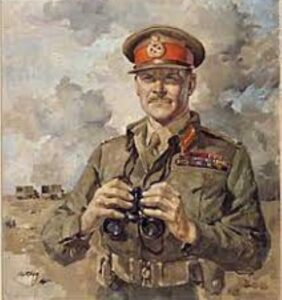
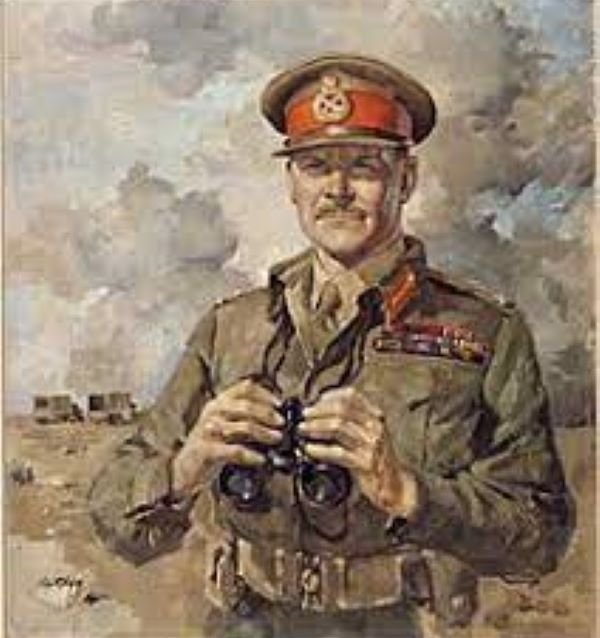
We first wrote about Edward Cobbold (1994) #1010 in February 2015 (click here), when at the very start of his naval career. Lord Freyberg (1889-1963) #3174, a New Zealand-born much-decorated war commander and Gallipoli hero featured in our tribute to the family’s four Victoria Crosses in June 2019 (click here) and we had previously reported on a Dawn Service on ANZAC Day in April 2013 (click here).
Lord Freyberg VC GCMG KCB KBE DSO***
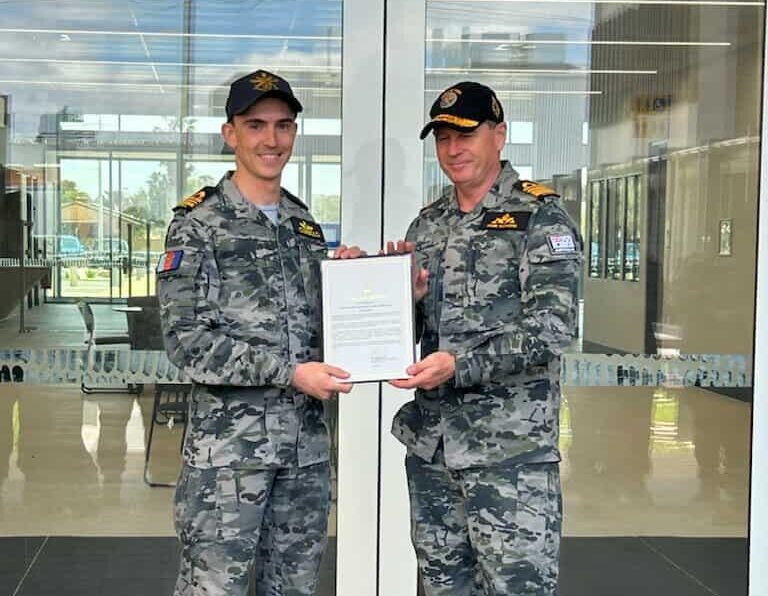
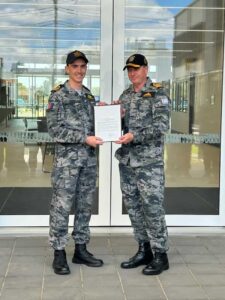
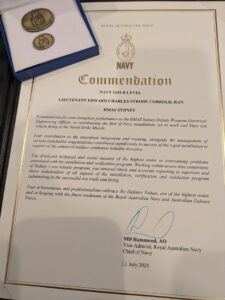
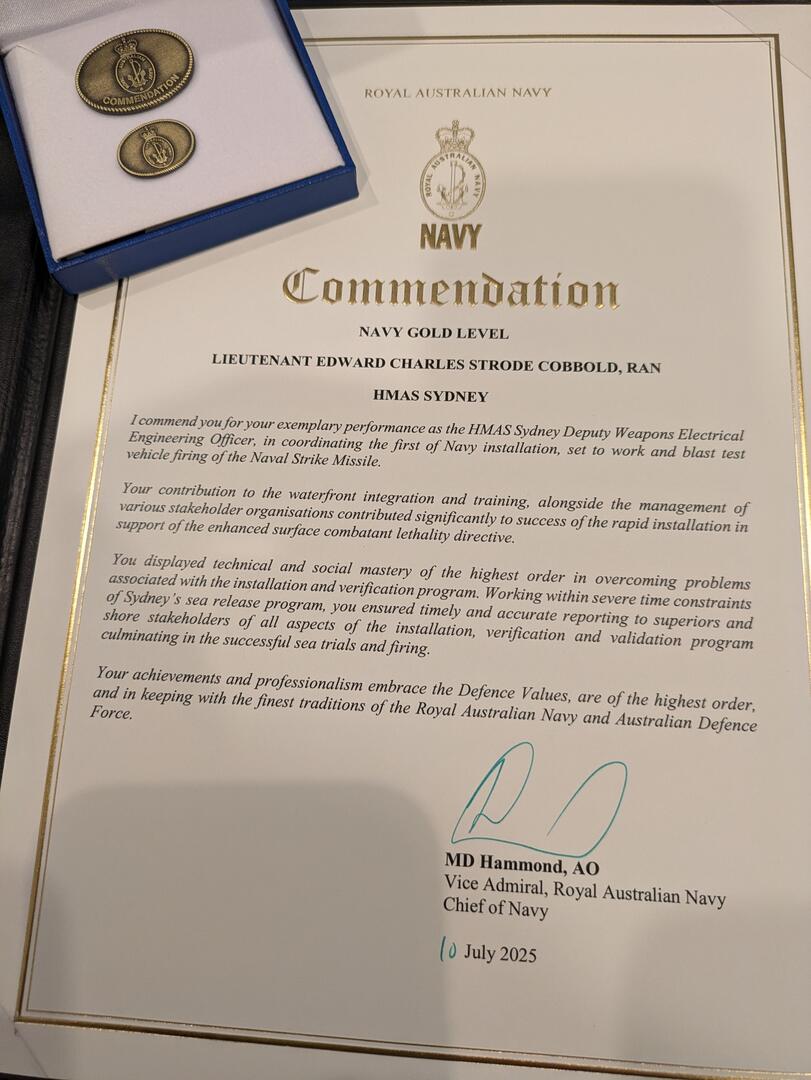
Since then, Edward has risen to the rank of Lieutenant Commander in the Royal Australian Navy. Last year he was awarded a Commendation at the time of a visit to BAE Systems, Adelaide, by the Head of the Australian Navy and later last year he was chosen to fulfil a two-year posting in Glasgow where he arrived, complete with partner and large dog in January.
Edward receives the CommendationThe Commendation
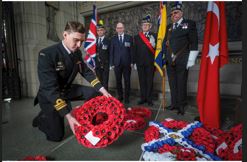
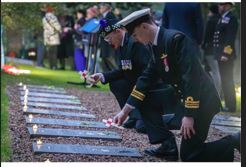
On ANZAC Day this year (25th April), as the sun rose above the horizon the Royal BritishLegion conducted a Dawn Service at Comely Bank Cemetery, Edinburgh to commemorate the fallen in the Gallipoli campaign. Piper Mark Macrae played Flowers of the Forest as Lieutenant Commander Edward Cobbold laid a wreath and a Poppy Cross on behalf of all New Zealanders and Australians who died in WWI. Alongside Edward was Rear AdmiralMark Beverstock, National President of Royal British Legion, Scotland.
Lt. Cdr. Edward Cobbold RAN lays a wreath……and a Poppy Cross
Unusually for Commonwealth War Graves the granite headstones in the WWI section of the cemetery are laid flat, upon the instructions of the architect at the time, Sir Robert Lorimer.
Anthony Cobbold
Footnote of extraordinary coincidence!
Playing a computer game in Australia Edward #1010 discovered that his opponent’s name was also Edward but that this Edward was in England. On exchanging surnames. it was found that by pure coincidence, Edward #1010 in Australia was playing against Edward #902 in Knebworth!
The Western Openings on the Tower - photo Stephen Davis
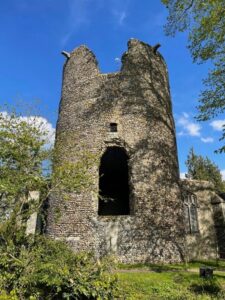
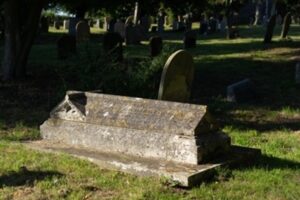
The Reverend Richard Cobbold (1797-1877) rector of St Mary the Virgin, Wortham for 52 years, lies at rest on the southern slope of his extensive churchyard, overlooked by the largest church round tower in Britain.
The Western Openings on the Tower – photo Stephen Davis
Richard Cobbold has achieved renown for his diligent recording of his Suffolk parish, but it must be said that not only is he overlooked today by the round tower of St Mary’s, but he in turn overlooked it.
Rev Richard Cobbold’s grave at St Mary, Wortham – photo Lee Acaster
Antiquarian expertise in the nineteenth century in large part rested on the shoulders of the local clergy. Cobbold’s neighbour, the rector of Diss, Reverend C.R. Manning, visited Wortham in 1864 and made observations about the roofless flint tower that strike us today as woefully inaccurate.
Cobbold had no better intuitions to guide him, sadly, and a history of error and misunderstanding was grounded in that confraternity, persisting to this day.
The church guides have long insisted that the tower is ‘late Norman’. A respected church historian, D.P. Mortlock, made reference to the discovery of the footings of a Norman nave, that Suffolk Archaeology decreed in 1998 must have meant that the tower ‘never stood alone’. No such evidence has emerged.
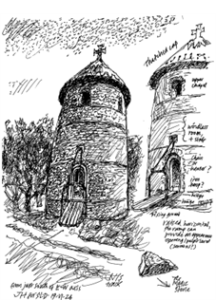
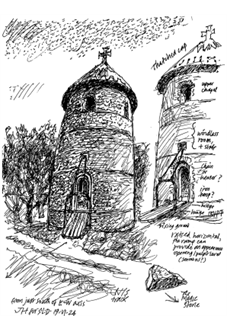
Recent research suggests a dramatically different story. We now believe what has been obvious to many observers; the tower is Anglo-Saxon. Moreover, it’s possibly the best-preserved standing example of a rare form of early church, the lordly ‘tower-nave’.
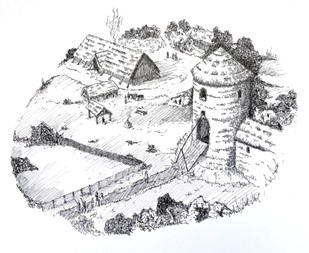
Theodred’s Anglo-Saxon Tower Nave – drawing by Jon Harris
Overlooked by generations of later historians is a detail in an Anglo-Saxon will written before AD 956, that strongly suggests that Wortham was the home estate of a lord who was to become first Bishop of East Anglia and subsequently Bishop of London.
A royal adviser, a man of legendary wealth, the builder of the original shrine of St Edmund at Bury, Theodred the Good is credited with personally reviving Christianity across East Anglia in the wake of the depredations of the heathen Vikings.
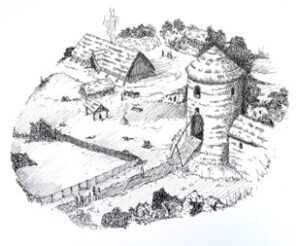
Theodred’s Hall and Tower Nave – drawing by Lee Acaster
What is a tower-nave church? It’s a private chapel, from an era before the building of churches for parish worship. It expressed a lord’s piety. It might have a very small stub of a chancel. It would likely have an altar on an upper level. One or two rectangular examples survive though now physically expanded as parish churches.
The upper level private altar – photo Stephen Davis
What does the tower of St Mary’s show us? With one small exception, it displays no Norman craftsmanship, and neither does the medieval church now attached to it. Its enormous size – see the comparison with the average of the other 161 round towers of East Anglia – means it would have taken many seasons to construct, and the expense of labour will have been conspicuous.
It cannot have been the ‘giant belfry’ one recent commentator pronounced it (change-ringing of bells was many centuries away). The alcove on the topmost level cannot have been, as Reverend Cobbold suggested, a residential fireplace (mural fireplaces would not be thought of for another four or five centuries).
The extraordinary tall and wide opening on the west side cannot have been a glazed window. Nor can the small opening directly above it. Was the large aperture an ‘appearance opening’, serviced by a heavy wooden ramp, where the crucifer and the sacrament could be displayed to the ordinary folk gathered in the meadow opposite, named on the old tithe map ‘Chapel Field’?
And was the small opening above it an opening for a winched hawser to operate the ramp? The path leading across the tower’s face has been known since time immemorial as ‘The Bishop’s Procession’.
Are we looking at a unique survivor of an era when Christian worship was beginning to move from the wayside preaching cross to the built church, led by a rich cleric whose thegn’s hall was only a hundred yards or so north of the tower?
An imminent historic recording programme for the tower, part of the St Mary’s wider fundraising appeal currently underway, might clinch the arguments.
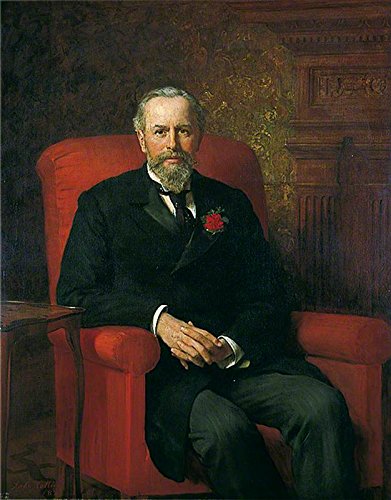
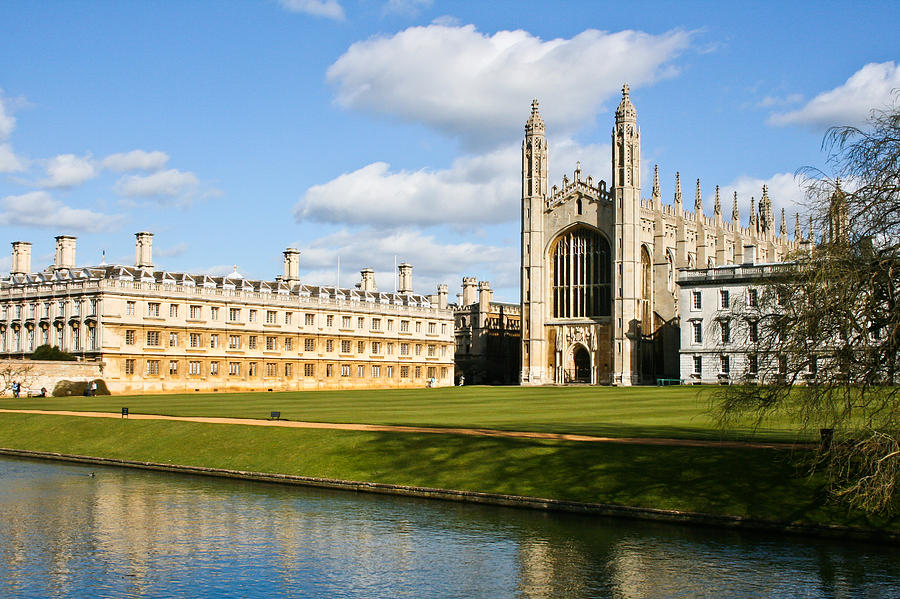
On 29th April the sale of fine wines from the cellars of King’s College, Cambridge closes. Many family members have enjoyed the fruits of these cellars over the years (not least Felix ThornleyCobbold (1841-1909) #201 as a fellow, junior bursar and donor) and one can only guess that the number of bottles remaining is too few for dinners in hall.
King’s College, CambridgeFelix Thornley Cobbold
The highlights include 12 bottles of a Domaine Dujac, Charmes-Chambertin 2006 with a pre-sale guide price of £4,800-£6,500 and 2 bottles of Château Rayas, Châteauneuf-du-Pape, 2000 with a guide price of £8,500-£12,000.
None of these are ‘Mountain Wines’ by today’s definition which is broadly wines from vines grown at altitudes which prior to global warming would have been judged unthinkable.
During the 18th century, ‘Mountain Wine’ was the term used to describe Spanish dessert wine popular in England. English cider makers sometimes sent their cider on a sea voyage, as did winemakers in Madeira, to improve it.
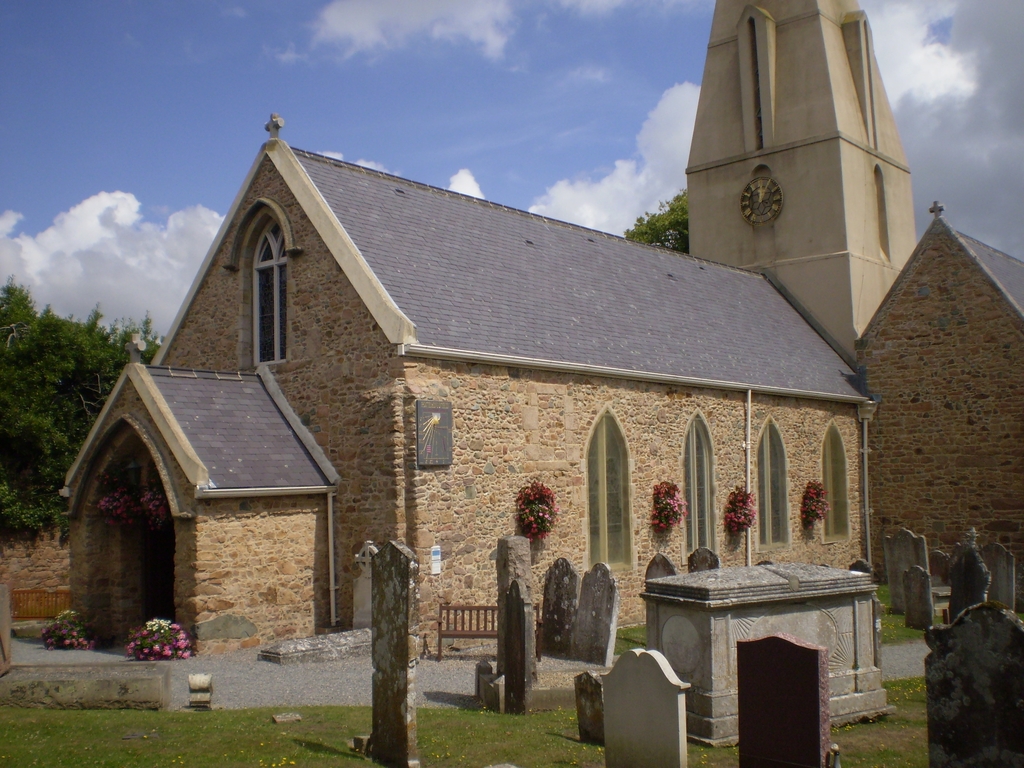
Rev. François Le Couteur, (1744-1808) #15473 Rector of Grouville in Jersey, known locally as ‘the mighty fighter for God’, was a significant figure in agriculture on the island and a major producer of cider. In 1801 he wrote:
I had three hogsheads of cider which I left to work on the lees, after which I had it racked three times; and, in March 1789, I put half a gallon of Coignac brandy into each hogshead, and soon after I had it bottled off. I had exactly sixty dozens, which I put on board the ‘Peggy’ (Captain Thomas Bandinal) [born 1763, #15462] and sent them to the Bay of Honduras.
The heat of the climate made a great many of the bottles fly during the passage. The remainder, (the bottles included), was sold as mountain wine, at the rate of forty-three shillings a dozen.
Grouville Church, Jersey
One hears that the practice of doctoring up cider and selling it as Málaga, the Spanish dessert wine, was quite common… but not amongst the clergy, one hopes.
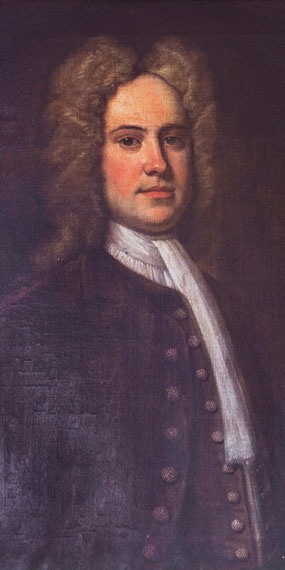
Nearer home the world-famous organic Aspall Cyder business was founded in 1728 by Clement Benjamin Chevallier (1698-1762) #1330 who had brought a Normandy cyder press to Suffolk the previous year. He had no need to ‘doctor’ his product.
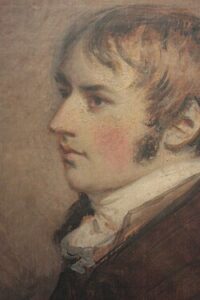
Nothing is more important at present to the people of Ipswich than Constable250. Nobody is more important to Constable 250 than Emma Roodhouse, Art Collections and Learning Curator at Colchester & Ipswich Museums Service, (why do we tolerate such long-winded titles? – She is the Curator, full stop.) now elevated by her recent secondment at the Tate in London, to international standing.
John Constable by Daniel Gardner, 1796
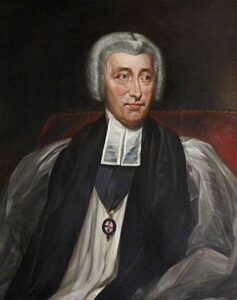
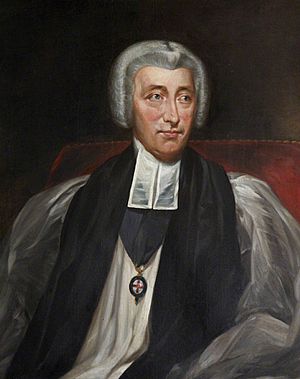
Imagine my surprise when I discovered that members of our extended family were amongst Constable’s greatest supporters. No, I am not talking about ElizabethCobbold, Georgian polymath, although she entertained Constable and other artists at the Cliff and encouraged him to sketch her step daughters, but I am talking about Bishop Dr. John Fisher (1748-1825) #15411.
Bishop John Fisher, painted in the 20th century
My grandmother’s sister, Mabel Parkes (1864-1890) #914, married into the Levett-Scrivener family at Sibton Abbey, Suffolk and it was Levett-Scrivener money which had propelled John Fisher’s preferment. This John Fisher was a Fellow of St. John’s College, Cambridge, and tutor to the 13-year-old son of George III.
Gaining the king’s confidence, John Fisher became Royal Chaplain and Treasurer to the Dean and Chapter of St. George’s Chapel, Windsor. Little surprise that he soon became known as the ‘King’s Fisher.’
Dorothea, his heiresswife (1762-1831) #15410 is said to have ‘adored him’ and ‘brought him a large fortune.’ In 1802 he was appointed Bishop of Exeter and only five years later he was translated to Salisbury and became Chancellor of the Order of the Garter, with a grace and favour dwelling in Windsor.
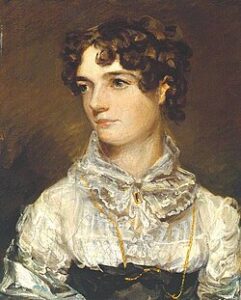
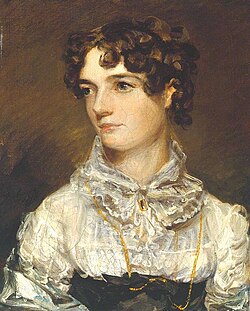
As well as knowing his way around the Church hierarchy, John Fisher was a talented sketcher and when he and Constable met, this shared ability brought them together. Fisher was appointed Chaplain to the Royal Academy. Aged just 33, Constable was home in East Bergholt where he became re-acquainted with Maria Bicknell the granddaughter of the rector. They fell in love but were too poor to marry.
Maria by Constable, 1816 (National Gallery)
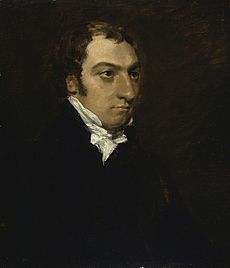
In the autumn of 1811 Constable spent three weeks in Salisbury as the guest of John and Dorothea Fisher. There he met Fisher’s brother Rev. Dr. PhilipFisher (1750-1842) #15414 who was Master of Charterhouse School in London, but more importantly the Master’s son, Archdeacon John Fisher (1788-1832) #15416 who was to become Constable’s closest friend and confidant. After some years of painful waiting Constable’s small inheritance from his father’s death was sufficient for him to be married in 1816 to his ever-patient Maria by the Bishop’s nephew at St. Martin-in-the-Fields, London.
Archdeacon John Fisher by Constable, 1816
Their courtship had not been easy. Although Maria loved John dearly, her family boasted three generations of lawyers and felt themselves superior to the Constable corn and coal merchants. Maria, though she always respected John’s talent, was well able to defend her own corner.
After the wedding John and Maria visited the bishop and his wife in Salisbury and then went on to stay for six weeks with young John Fisher and his wife Mary at Osmington in Dorset. It was said by James Hamilton that “John Fisher the younger made Constable laugh and took him out of himself. Friendship with the amusing nephew of the Bishop of Salisbury was new, vital, and sophisticated and at an appropriate social level. John Fisher became the friend who offered more than Constable could ever expect, with opportunity and access discreetly in the background.”
Between 1817 and 1828 Maria bore seven children. The last, Lionel, born early in January, seemed to have sapped Maria’s strength, for she never really recovered. John knew she was ill but her doctors concealed the truth and despite his optimism the cherished mother of his children died in his arms at only forty-one. He mourned her for the rest of his life.
The bishop had died in 1825 and by 1831 John was starting to feel the effects of rheumatism and the following year he suffered the loss of his most trustworthy friend and confidant, the Archdeacon, who, despite being rushed to Boulogne for better air, died of cholera. The younger Fisher had been a major influence in John Constable’s life, buying both The White Horse (1819) and Stratford Mill (1820), both ‘six-footers’ which had established an increasing confidence in his work and growing recognition.
His loss came as a profound shock and Constable mourned him deeply. ‘I cannot say but this very sudden and awful event has strongly affected me’ he wrote to C. R. Leslie. ‘The closest intimacy had subsisted for many years between us – we loved each other and confided in each other entirely – and this makes a sad gap in my life and worldly prospects.’
Despite exhaustive searches we have been unable to establish any familial link between these Fishers and Geoffrey Francis Fisher (1887-1972) #12989, who was the 99th Archbishop of Canterbury from 1945 to 1961.
Despite some declaring the Boat Race an elite event that should be abandoned, the fact is that as many people tune in to watch it as see the Grand National, The Masters or the London Marathon. A quarter of a million people from all walks of life will line the banks of the Thames this year to watch the 197th running of one of the oldest and most respected sporting events this great country has to offer.
In May 2019 we told the story of How Cambridge got its ‘Blue’. Today we tell the story of that very first Boat Race in which family member ThomasEntwisle (1808-1897) #15445 occupied the no.5 seat in the Cambridge boat. Oxford won easily over a shorter course at Henley.
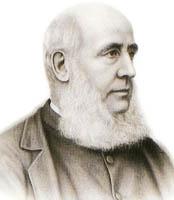
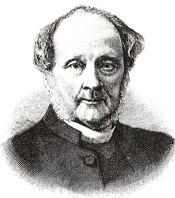
The race was initiated by two old Harrow school friends; Charles Merivale (later Dean of Ely) at St. John’s Cambridge and Charles Wordsworth (nephew of William Wordsworth) at Christ Church, Oxford. In February 1829 a letter was sent to Oxford stating that ‘the University of Cambridge hereby challenge the University of Oxford to row a match at or near London, each in an eight-oared boat, during the ensuing Easter vacation.’
Charles MerivaleCharles Wordsworth
On 10th June 1829 the race took place between Hambleden Lock and Henley Bridge, a course of two and a quarter miles. Despite a delayed start some 20,000 people gathered to watch. Cambridge won the toss and opted for the Berkshire station but Oxford drew ahead and won easily.
An early boat race, picture courtesy Maidenhead Rowing Club and The Leander Club
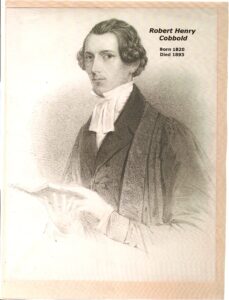
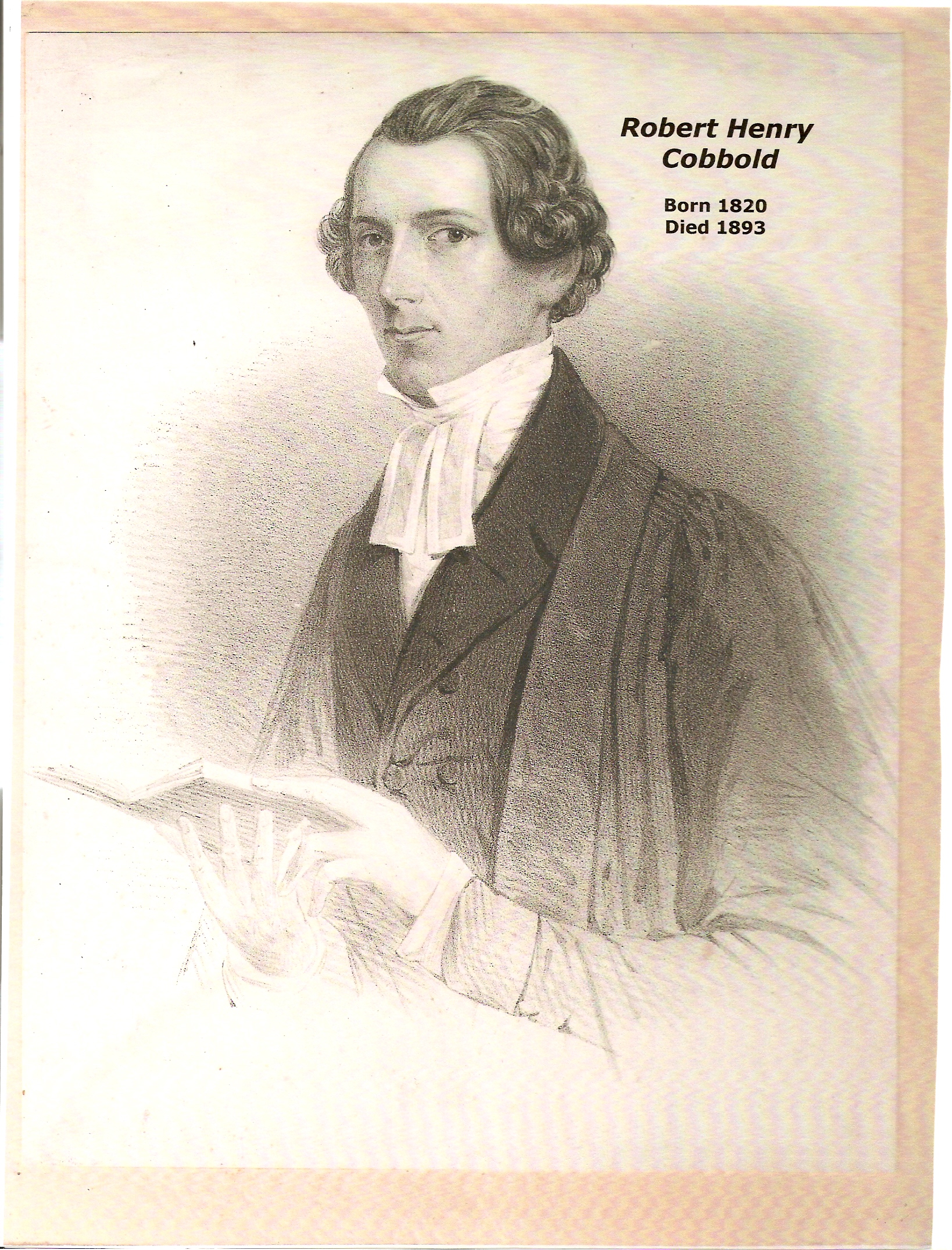
The next race was in 1836 when 3 Caius men insisted on rowing under the pale blue now well established as Cambridge’s colour. Only 5 years later RobertHenry Cobbold (1816-1893) #148 was in the winning Cambridge crew (1841) but was defeated the following year. In 1843 he was elected president of the Cambridge University Boat Club but there was no race that year.
Robert Henry Cobbold
The most successful family member, in rowing terms, is unquestionably Robert Croft Bourne (1888-1938) #1187. He was a silver-medalled Olympian but his earlier prowess saw him stroke the Oxford boat to victory four years in a row, 1909-1912, in the last two as President of the OUBC.
Robert Croft Bourne
There was controversy over the 1877 decision that the race was a draw. History tells us that Oxford finished narrowly ahead but the umpire, unable to see the outcome clearly, declared a draw. Nurtured by years of respect for authority his decision was accepted. In an act of great chivalry Cambridge offered to concede victory but in an act of even greater chivalry Oxford refused, so the umpire’s decision stood!
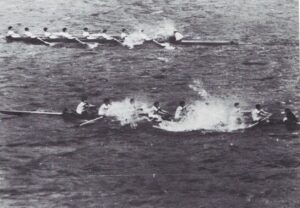
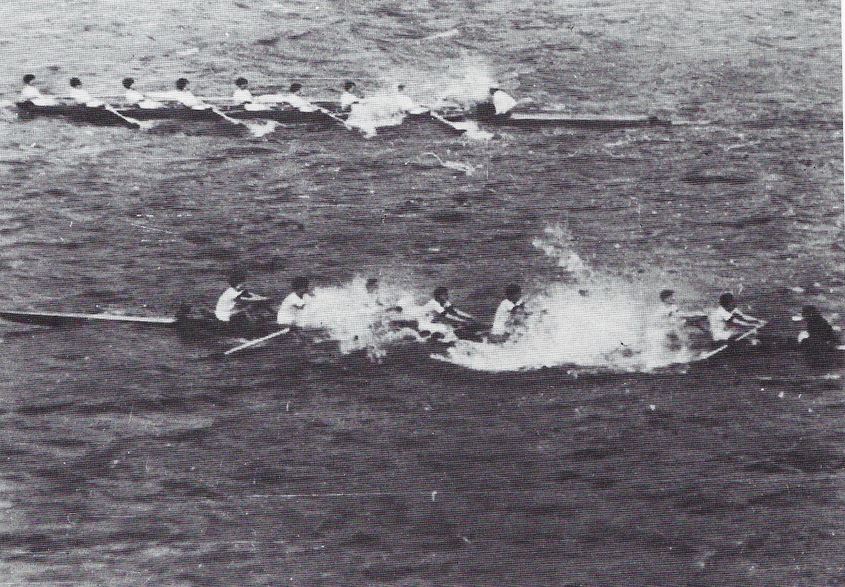
There was further drama in the 1951 race in which family member Jeremy Smith(1928-2021) #14322 was rowing no.2 in the Oxford boat when it sank in rough weather. The umpire declared ‘No Race’ and Cambridge won the re-row.
Oxford sinking 1951
Sisters Lilli and Mia Freischem from Cologne will make history in the 80thWomen’s race this year when Lilli in the no.3 seat in the Oxford boat will race against Mia in the no.7 Cambridge seat.
In a recent survey on the race, albeit of only 20,000 people, just 9% disapproved of this quirky, amateur, and quintessentially British phenomenon.
Long may it survive!
Anthony Cobbold
Charles Merivale
Charles Wordsworth
An early boat race, picture courtesy Maidenhead Rowing Club and The Leander Club