By issuing the Declaration of Independence on 4th July 1776, the thirteen American colonies severed their political connections with Great Britain and opened the way for an alliance with France to help with the war against their former masters.
King George III needed money to fight his war with France and persuaded his government that the American colonies were a ready source. The colonists were largely loyal to the king but, not unreasonably, objected to ‘taxation without representation’. Despite their repeated protests the British government pursued its aim, closing the port of Boston and declaring martial war in Massachusetts. Battles raged. In response the colonial governments sent delegates to a Continental Congress to coordinate the boycott of British goods.
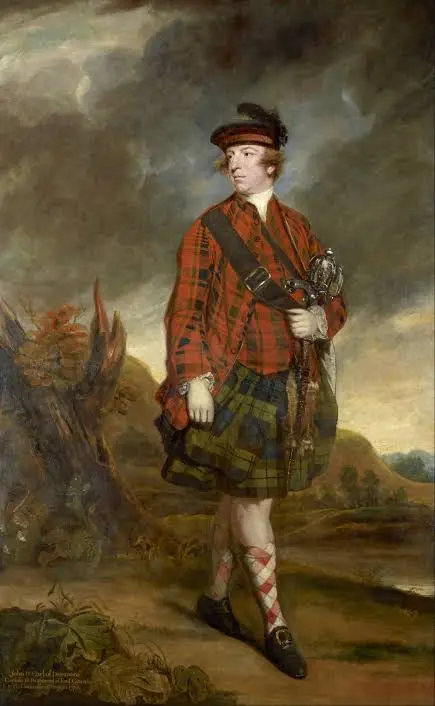
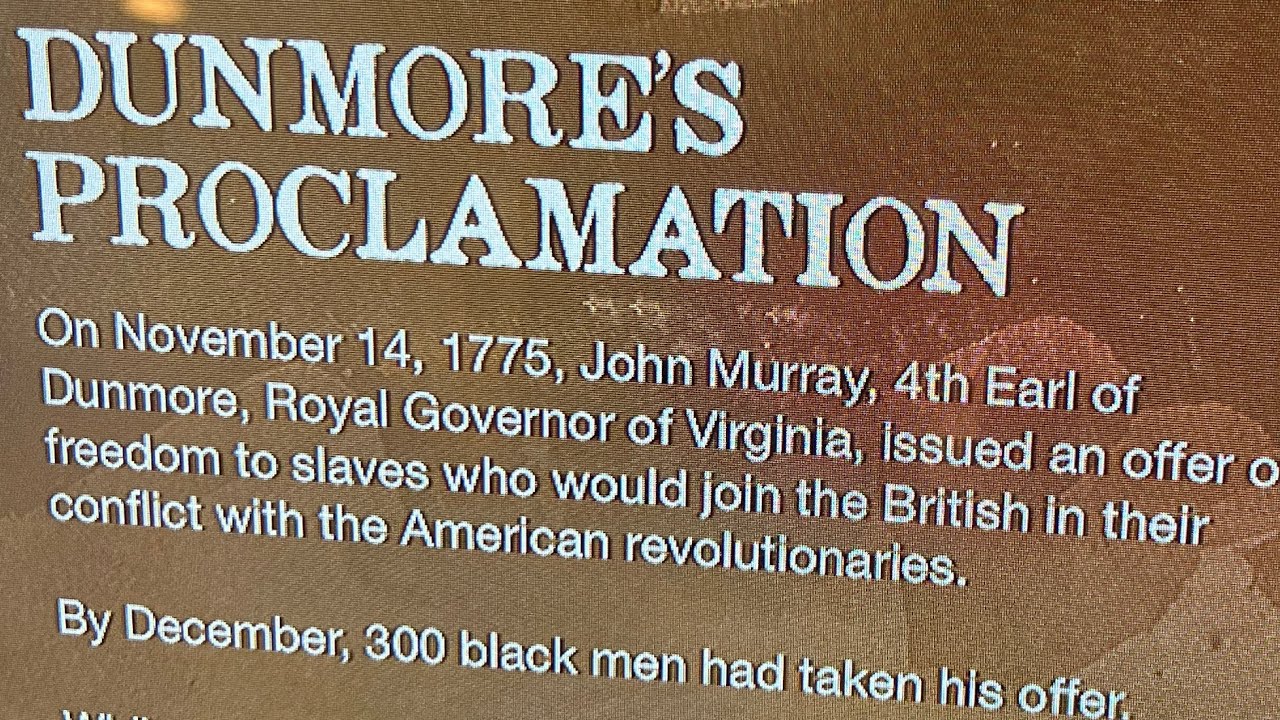
Continental leaders hoped for reconciliation but, lacking a response during the winter of 1775 increasingly came to the conclusion that a declaration of independence was going to be the only option. In November 1775, John Murray, the 4th Earl of Dunmore (1730-1809) #15486 and Virginia’s royal governor, issued what became known as Lord Dunmore’s Proclamation, which declared:
I do, in virtue of the power and authority to me given, by his majesty, determine to execute martial law, and cause the same to be executed throughout this colony; and to the end that peace and good order may the sooner be restored, I do require every person capable of bearing arms to resort to his Majesty’s STANDARD, or be looked upon as traitors to his Majesty’s crown and government, and thereby become liable to the penalty the law inflicts upon such offences, such as forfeiture of life, confiscation of lands &c. &c. And I do hereby farther declare all indentured servants, Negroes, or others free, that are able and willing to bear arms, they joining his Majesty’s troops, as soon as may be, for the more speedily reducing this Colony to a proper sense of their duty, to his Majesty’s crown and dignity. I do father order, and require all his Majesty’s liege subjects to retain their quitrents, or any other taxes due, or that may become due, in their own custody, till such time as peace may be again restored to this at present most unhappy country, or demanded of them for their former salutary purposes, by officers properly authorised to receive the same.

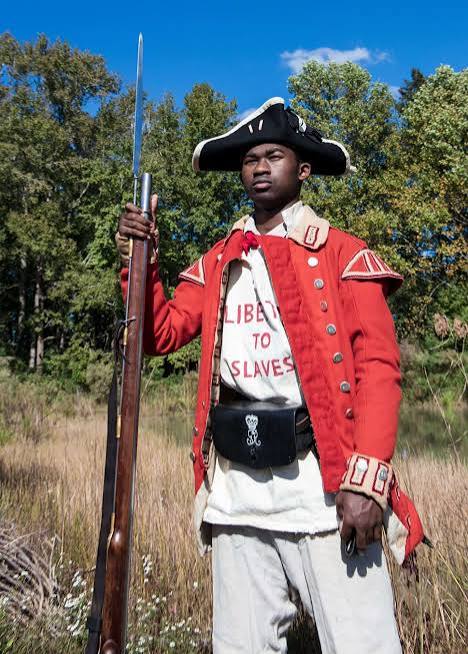
Hundreds of enslaved men joined what was known as the Ethiopian Regiment but, untrained and decimated by smallpox, the army was weakened. Dunmore’s troops were defeated at the Battle of Great Bridge. Dunmore took refuge on board the ship William off Norfolk, Virginia.
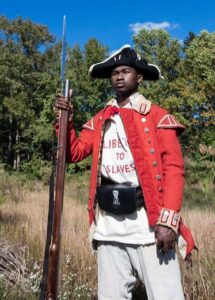
With hindsight the Proclamation was a short-term failure but it was the first large-scale offer of freedom to enslaved people. It fanned the flames of conflict between the Colonists’ fight for liberty and the continuing institution of slavery but unquestionably emboldened enslaved peoples to seek freedom.
Anthony Cobbold
June 2026