King hails ‘immense sacrifices’ of Monte Cassino heroes
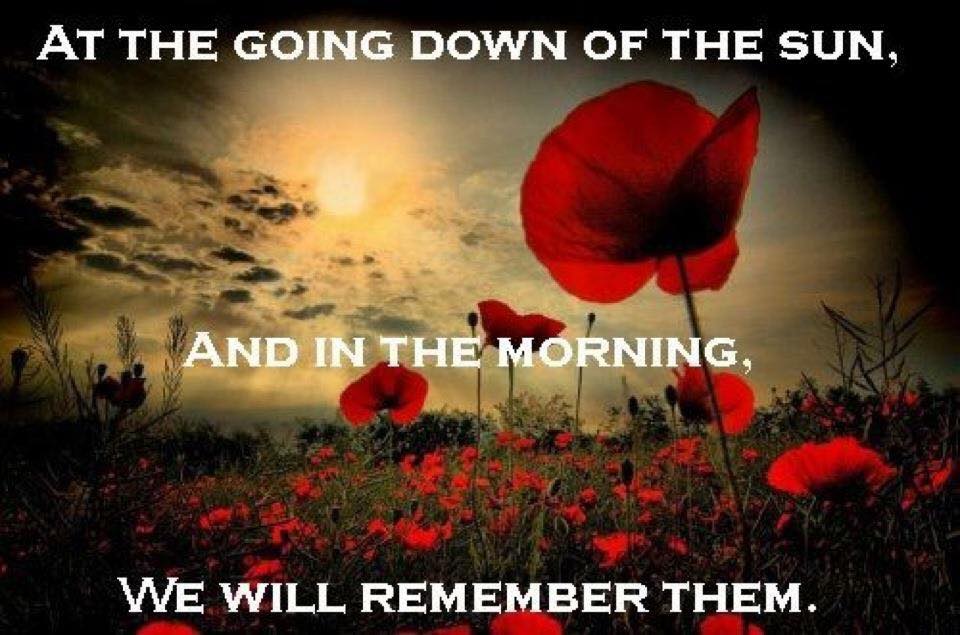
King Charles has paid tribute to “the courageous men and women” who lost their lives at Monte Cassino on the 80th anniversary of the pivotal Second World War battle.
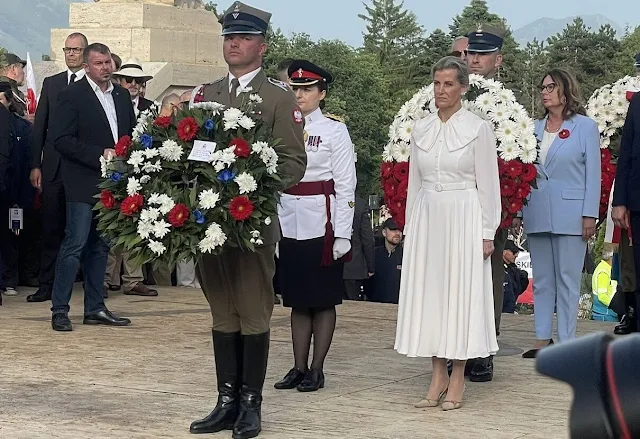
The tribute was delivered by the Duchess of Edinburgh as she joined Jack Hearn, a 100-year-old veteran, for an event at the British Embassy in Rome and Lord Llewellyn, the ambassador, at the Cassino War Cemetery.
“Coming together to honour the fallen in this hallowed ground, reminds us that the rights and freedoms we enjoy today were won at great cost, and bring with them great responsibilities for our generations and those yet unborn,” the King said in his message. “Such sacrifice can never be forgotten.” The King spoke of the ‘immense sacrifices” made by British and Commonwealth soldiers during the bloody battle, which raged from January to May 1944, noting their victory was a vital contribution to the Normandy landings just a few weeks later.
“Let us pause to reflect on the immense sacrifices made by so many for the cause of freedom in Europe – perhaps even more poignant today,” he said. British and Commonwealth troops from Canada, India, New Zealand, and South Africa fought and died alongside French and Polish soldiers in the campaign to wrest control of the mountain stronghold from German troops in freezing winter temperatures and heavy snow. “It was the most horrible battle in the war,” Mr Hearn told The Telegraph by telephone from his home in Northumberland before he left for Italy. “We were terrified.”
Daily Telegraph, 20th May 2024
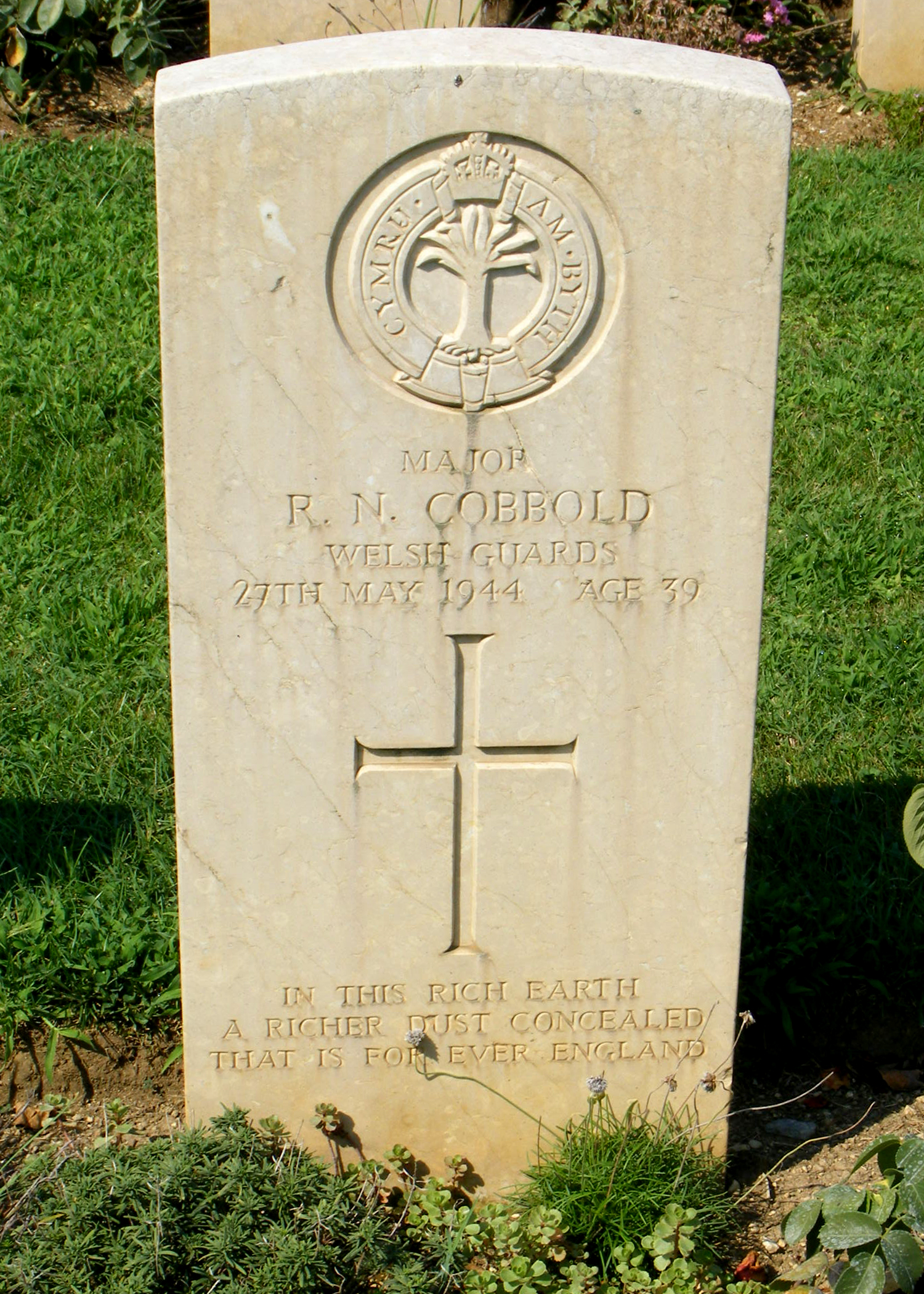
The battle was for control of the strategically important mountain-top Monte Cassino Monastery founded by St. Benedict in AD 529. Major Robert Nevill Cobbold #470 Welsh Guards died on 27th May towards the end of the 5-month battle just before victory was achieved. His headstone carries two lines from Rupert Brooke’s poem The Soldier:
“In this rich earth a richer dust concealed that is for ever England.”
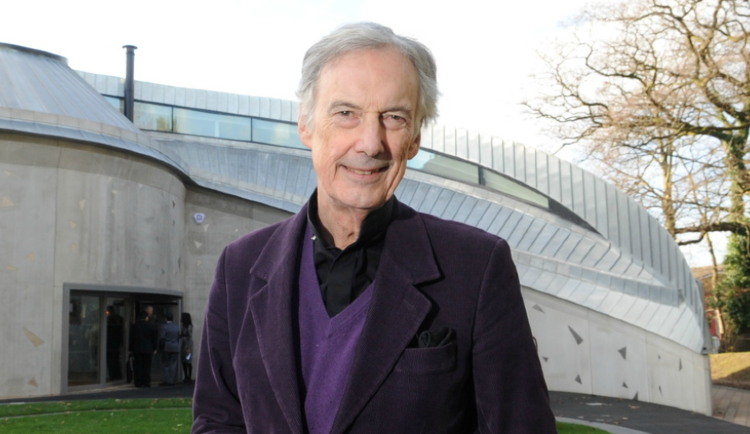
Anthony Cobbold
Maj Robert Cobbold
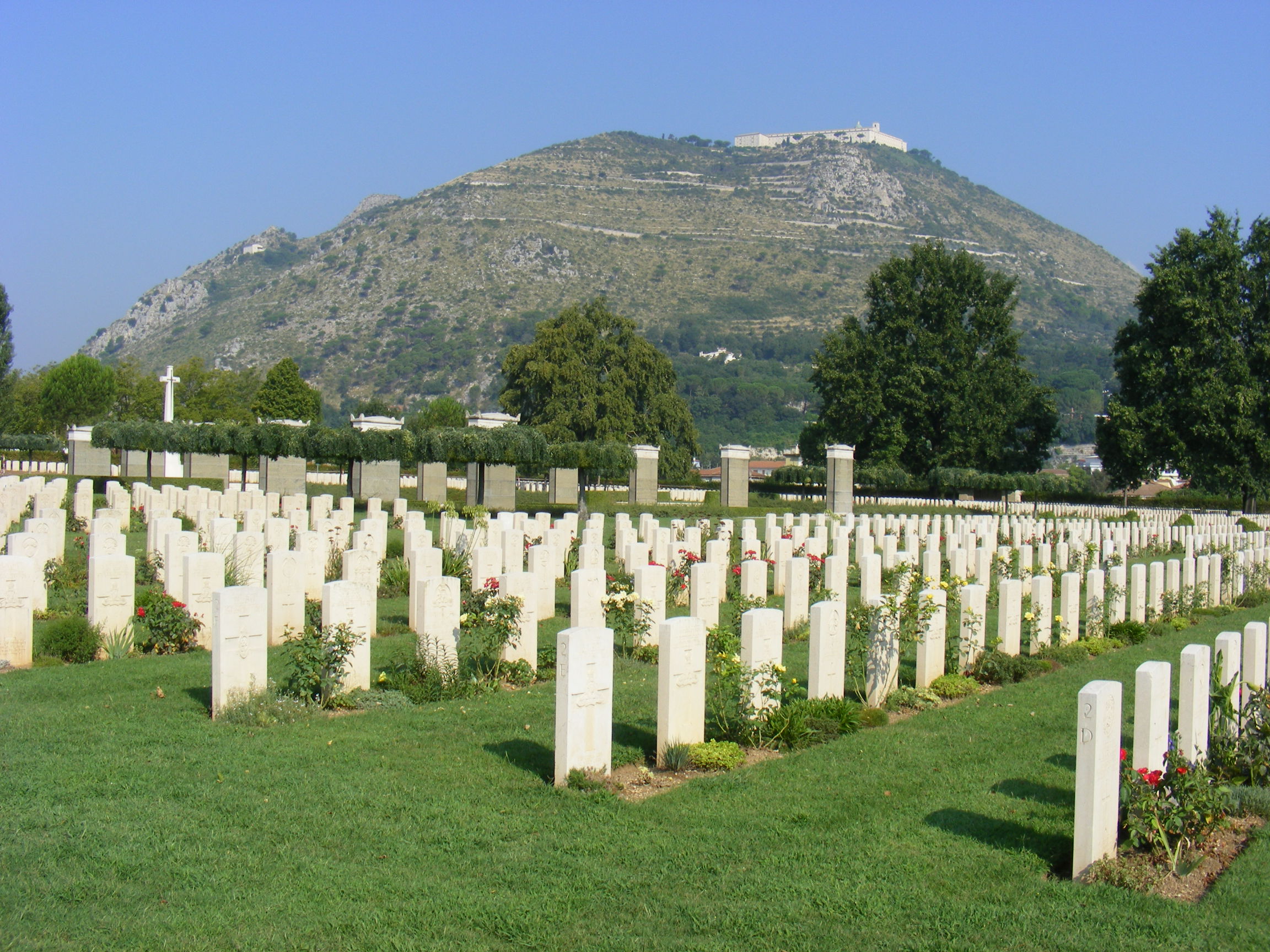
Monte Cassino Cemetery with the monastery behind
His headstone
The Duchess of Edinburgh attends a Service of Remembrance
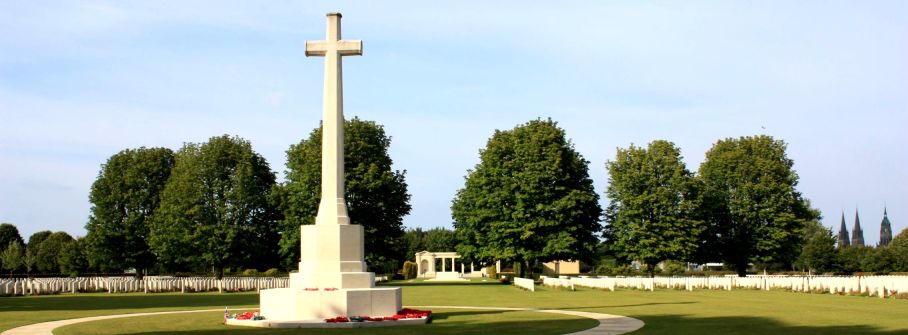
Killed on 6th June 1944 we remember L/CplPercy Leonard Cobbold (14378733) of the Corps of Military Police aged 35, who lies in the Bayeux War Cemetery (XIV.C.5) in Calvados, France. Percy is one of 3,602 British dead in this cemetery. He died on the day of the Normandy landings.
Killed on 27th May 1944 we remember Major Robert Nevill Cobbold (99186) of the Welsh Guards aged 39, who lies in the Cassino War Cemetery (VIII.B.13) in the Province of Frosinone, Italy. Robert is one of 4,271 Commonwealth service personnel in this cemetery. He died in the Battle of Cassino, one of the fiercest of the war.
Killed on 18th June 1944 we remember Lieutenant Colonel John Murray Cobbold (110300) of the Scots Guards aged 47, who is commemorated on Panel 1 at Golders Green Crematorium, London and on the Rannoch War Memorial on the east bank of Loch Rannoch. John Murray died with about 118 others when the Guards’ Chapel, Wellington Barracks was hit by a V1 flying bomb during a service.
The Trust knows very little about Percy Leonard Cobbold. If any reader can tell us anything about his family we would be delighted to hear from them.
After a 22 year absence the Tractor Boys will be back in the Premier League having beaten Huddersfield 2-0 at Portman Road on 4th May. Congratulations to Manager, Kieran McKenna, Captain Sam Morsy and the whole team.
Oscar Dickins (1997) #01897 on the family tree achieved a very creditable 2 hours 50 mins for his first participation in the elite section of the London Marathon on 21st April despite cramping up during the last sector.
Congratulations are in order, but look out for even better next year.
The Friends of Ipswich Museums, a body with which our Trust is mutually supportive, employs the highly apposite strap line We Look Forward to Promote the Past. In each quarterly Newsletter there is an item “My Favourite Thing” in which an interested party is invited to nominate and describe his or her favourite thing in Christchurch Mansion.
In the spring 2024 issue the privilege is given to Peter Ledger. We reproduce his beautifully told story in full, as in our view (but we would say that wouldn’t we?) it cannot be told too often.
Peter writes:
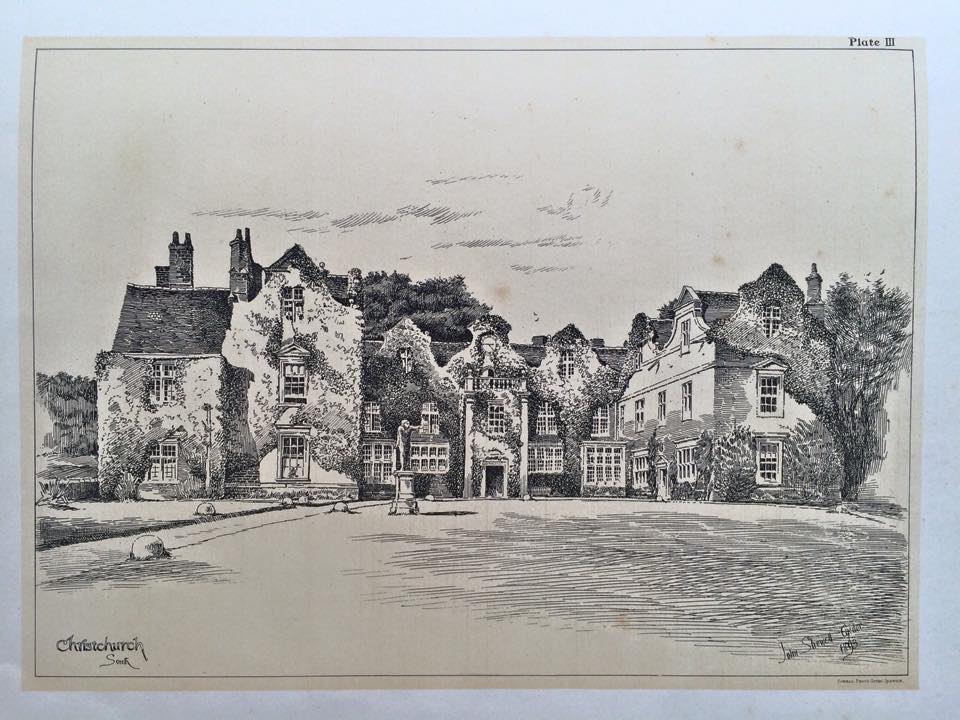
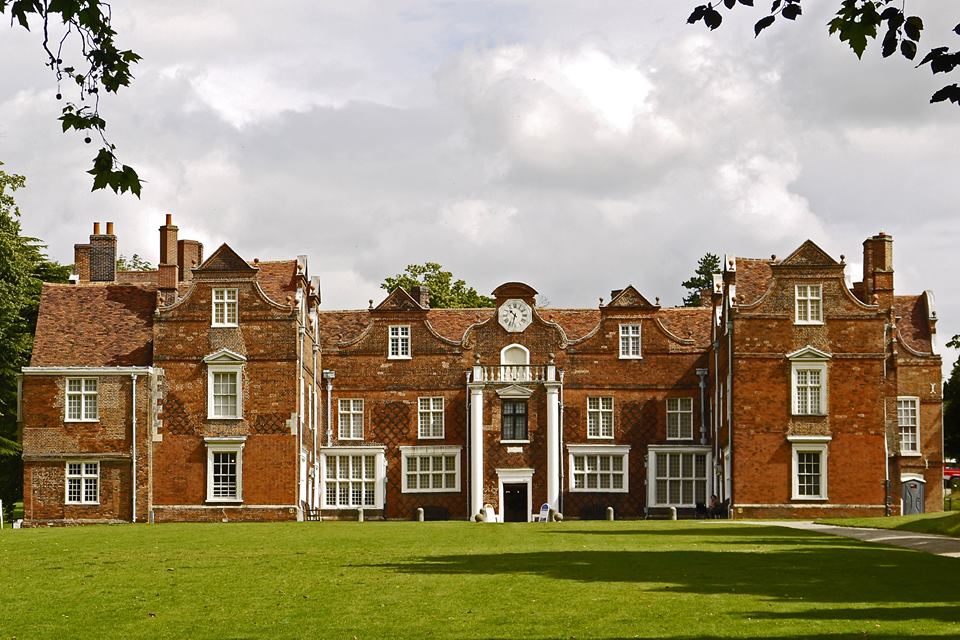
Christchurch Mansion, or the Mansion as it is affectionately known, is crammed with wonderful treasures but its value to art lovers is its focus on objects of local interest. In fairness, the Mansion does have an advantage over other local museums as two of Britain’s finest artists, Gainsborough and Constable, lived within its ‘catchment’ area. The Mansion has an outstanding collection of their paintings, especially early examples.
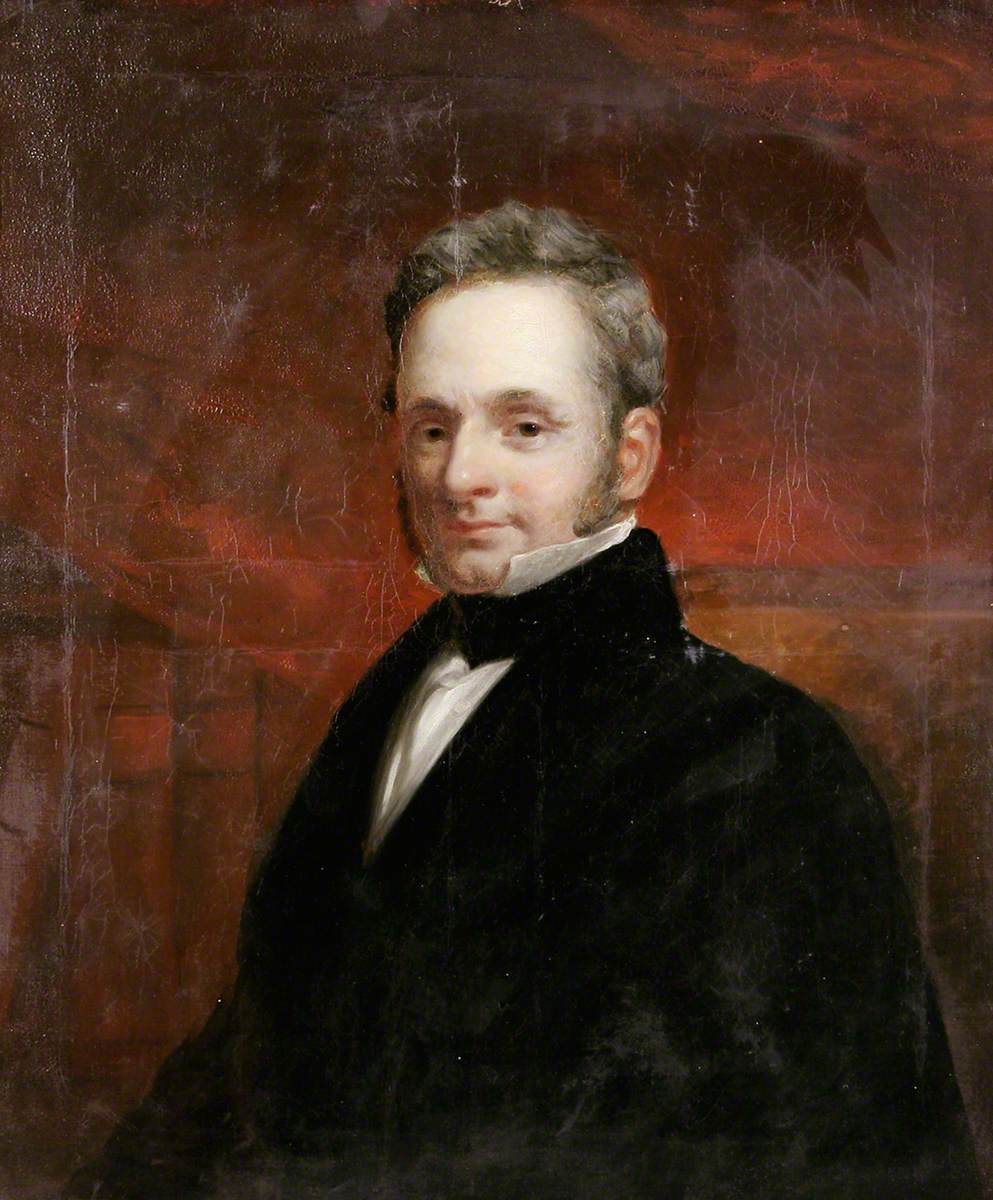
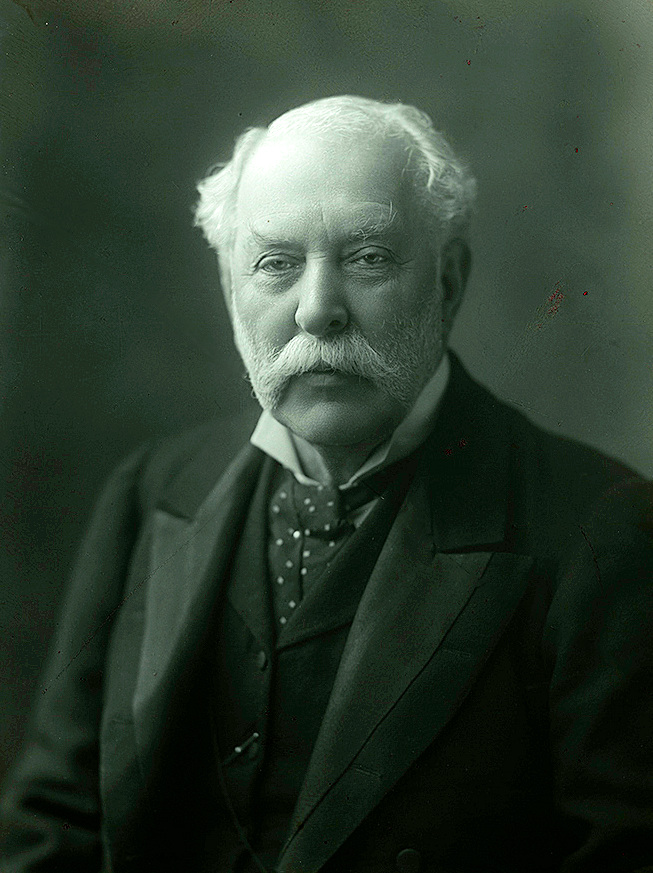
My Favourite Thing is none of these. Instead, my choice is the portrait of Felix ThornleyCobbold, commissioned by Cobbold’s friends and presented to the Mansion, it occupies pride of place in the Great Hall, but most visitors will probably scurry past to view the more famous paintings and objects displayed in the Mansion. The artist is John Collier (1850-1934), one of the most successful portrait artists of his generation but little known today.
There are finer and much better known paintings in the Mansion’s collection so why have I chosen this? The reason is simple – it is due to the generosity of Felix Cobbold that we have the Mansion and Christchurch Park today. Felix was a member of the Cobbold brewing family but, rather than enter the family business, initially he chose a career as a barrister and then as junior bursar and Senior Fellow at King’s College, Cambridge, where he had been an MA student.
Following the death of his elder brother in 1871, his father persuaded Felix to return to Ipswich to take up his interest in the family businesses, which included the brewers Cobbold& Co. and the family-owned bank, Bacon, Cobbold & Co. As a result, Felix became extremely wealthy.
In 1892, the Fonnereau family, longstanding owners of the Mansion and Christchurch Park, vacated the house and put it up for sale along with the surrounding estate. The BoroughCorporation (as it then was) voted against buying the estate. It seemed likely that the land would be sold off for housing and Christchurch Mansion demolished. Two years later the estate was sold to a property syndicate for £36,000 (approx. £36m today). Almost immediately the first plots on Bolton Lane were sold and a number of houses quickly built there. Land on Park Road soon followed.
The future of the Mansion was uncertain. It had been neglected since the departure of the Fonnereaus. Despite this, Felix stepped in and bought the Mansion from the syndicate to save it from demolition. Cobbold wrote to the Borough Corporation offering Christchurch Mansion “as a free gift” to the town, subject to certain conditions: 1) The Corporation to buy the surrounding parkland “for the people of Ipswich”. 2) “The main structure of the house to be preserved in its integrity,” specifically the “internal fittings,.. the principal rooms and passages, the marble pavement in the hall and the main staircase.” Amazingly, it took Cobbold three attempts to convince the Corporation to accept his offer.
His generosity did not end there. Felix left a further £20,000 in Ipswich Stock, the interest of £600 per year accruing therefrom to be used for the purchase of artworks. To this day, the Felix Cobbold Bequest Fund facilitates the purchase of art works for the Mansion.
Whenever I visit the Mansion, I always pause by the portrait of Felix Cobbold to remind myself it is his philanthropy that ensured we can enjoy the Mansion and its wonderful collection today and that is why I have chosen it as My Favourite Thing.
It is idiosyncratic that I should be writing about kidney ‘stones’ at the same time as we are encouraging family members to engrave ‘stones’ to commemorate ancestors in our memorial wall. One of life’s coincidences! Last month we were able to bring back into the family a book which had been presented to Dr Rowland Townshend Cobbold (1821-1895) #150 by the author JohnGreen Crosse FRCS FRS (1790-1850). The inscription read “in token of esteem for his acquirements conjoined with the most steady and amiable Deportment” and was dated 16th May 1845. Rowland studied under John Crosse and is identified elsewhere as going to great pains to interest his children in the love and knowledge of birds, beasts, and flowers and probably of stones and fossils.
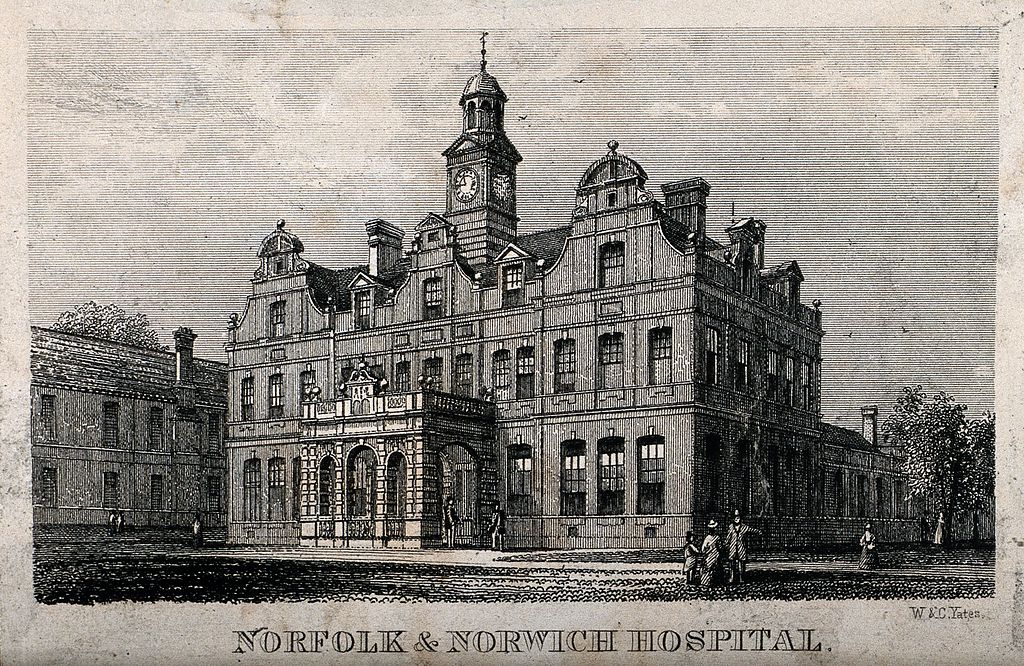
John Crosse was a well-known and highly respected surgeon at the Norfolk and Norwich Hospital and along with many aspiring Suffolk doctors, another of his pupils was Rowland’s first cousin, Thomas Spencer Cobbold (1828-1886) #174, Helminthologist and Parasitologist. The book in question was A Treatise on the Formation, Constituents and Extraction of the Urinary Calculus. To save you rushing to your dictionary (as I did) a calculus is a ‘stone-like concretion which forms in certain parts of the body’ (as well as ‘a system of computation used in the higher branches of mathematics.’) And to complete our education I have learned that Crosse was a lithotomist which is the medical equivalent of a JCB, namely a crusher of stones (to facilitate their removal). The treatise was awarded the Jacksonian prize for the year 1833 by the Royal College of Surgeons in London and was published in 1835 by John Churchill. Our copy turned up in Switzerland and had to be bought with Swiss Francs. Evidently John Crosse was, in his field, like Thomas Spencer in his, a pioneer at a time of enormous medical advancement.
Tucked inside the book, for no perceptible reason, was a manuscript autopsy report on SirArthur Chichester 7th Baronet (1790-1842) by a doctor having the initials JT. Sir Arthur lived at Youlston Park, Shirwell, Devon, of which county he was High Sheriff in 1816/17, and where he is probably commemorated in stone, but obviously not of the Calculus variety.
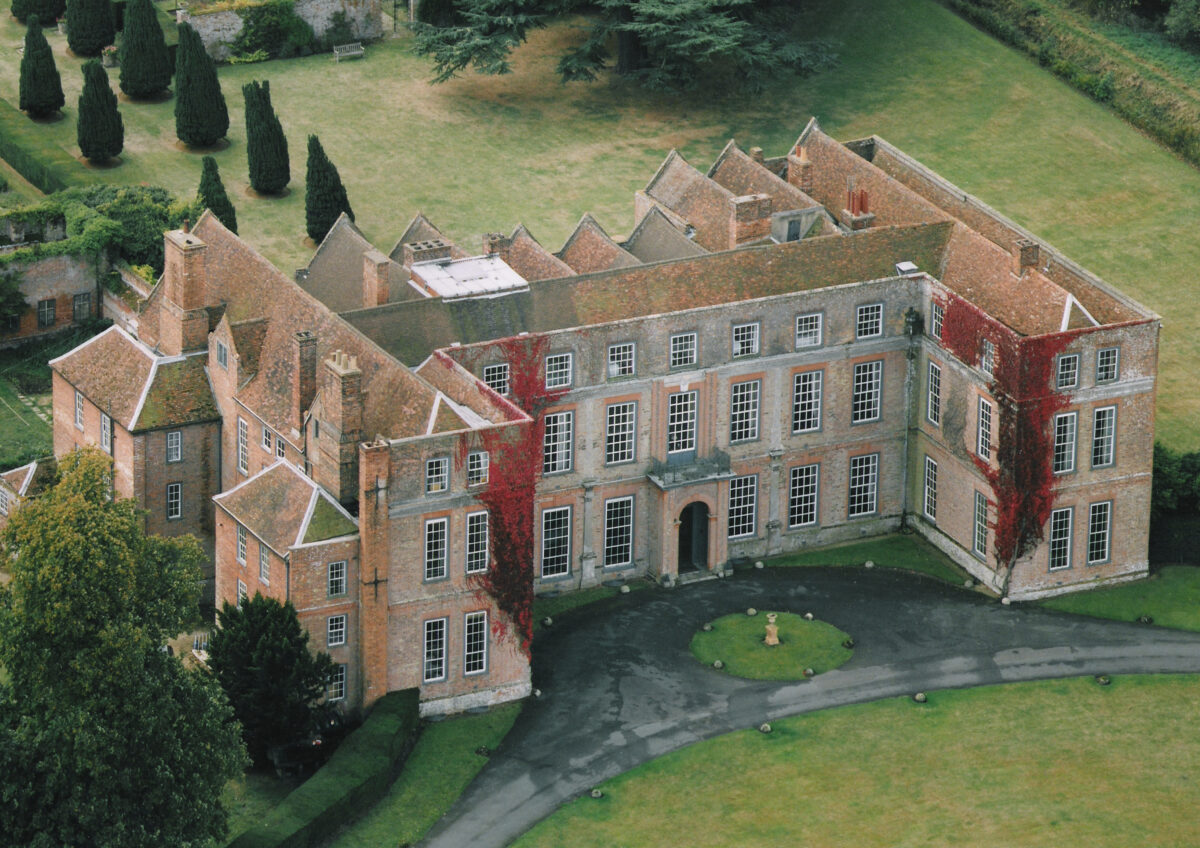
News broke this month that Glemham Hall, a long-standing Cobbold home, is to be sold. Bought by the family in 1923, it had just reached its century in Cobbold ownership. Although its loss to the family is sad, the Trust fully understands the decision made by present owner Tom Hope-Cobbold(1974).
Earliest references cite a William de Glemham in 1228/29 but the present hall was built in 1560 by a later de Glemham in the early Renaissance style. Bought by Dudley North in 1708 the structure underwent major alterations to accommodate Georgian style between 1712 and 1727. Dudley North’s wife, Catherine was the daughter of Elihu Yale the founder of the famous American university.
When John Murray (Ivan) Cobbold (1897-1944) #448 married Lady Blanche Cavendish (1898-1987) #449, Glemham Hall was purchased as being a property suited to entertaining the new noble in-laws. Lady Blanche was a daughter of the 9th Duke of Devonshire (1868-1938) #2452 so John Murry became a brother-in-law to Harold Macmillan (1894-1986) #3735. Following the death of Lady Blanche and her two sons, John (1927-1983) #575 and Patrick (1934-1994) #576 the property devolved to Philip Hope-Cobbold (1943-2020) #577 and thence to his son Tom.
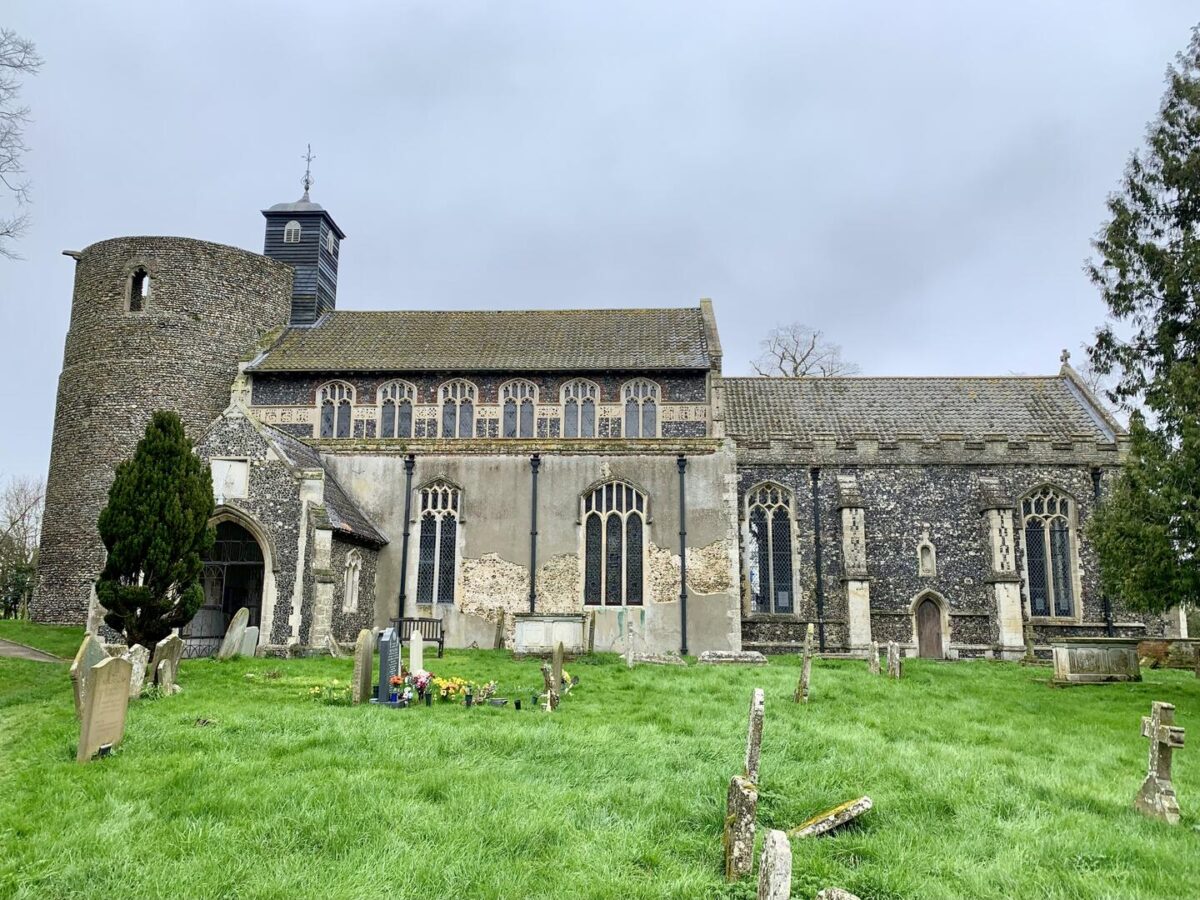
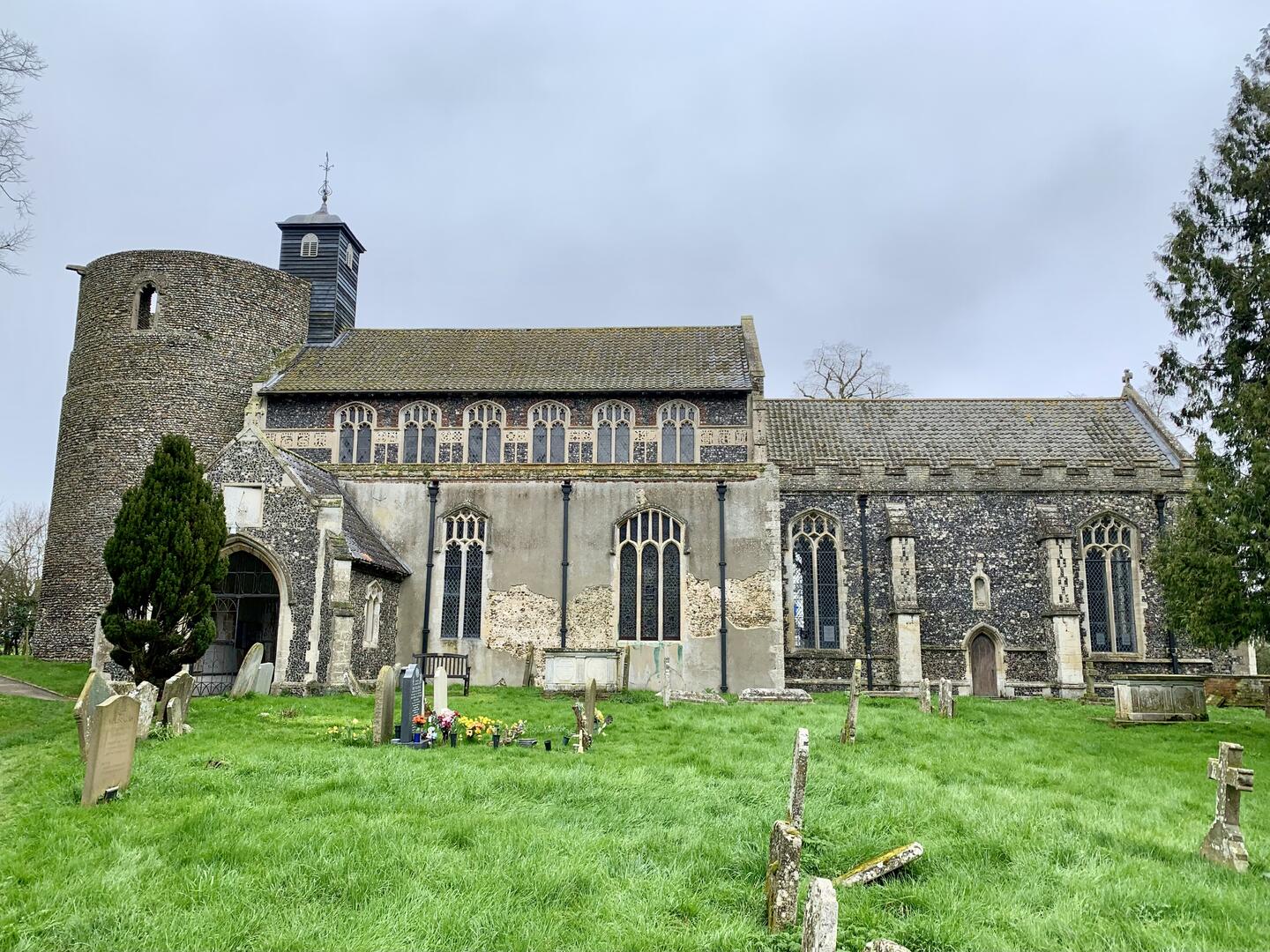
The parish church of St. Mary in Wortham, near the border between Suffolk and Norfolk, could be easily missed by the casual visitor because of the broadly spread nature of this historic little village. The church is significant to the Cobbold family for a few reasons, the most widely known of which is that Richard Cobbold (1797-1877) #106 was rector for 52 years. He followed Henry Patteson (1757-1824) #1088 who had held the parish for 42 years. The good people of Wortham were unaccustomed to change in their spiritual direction.
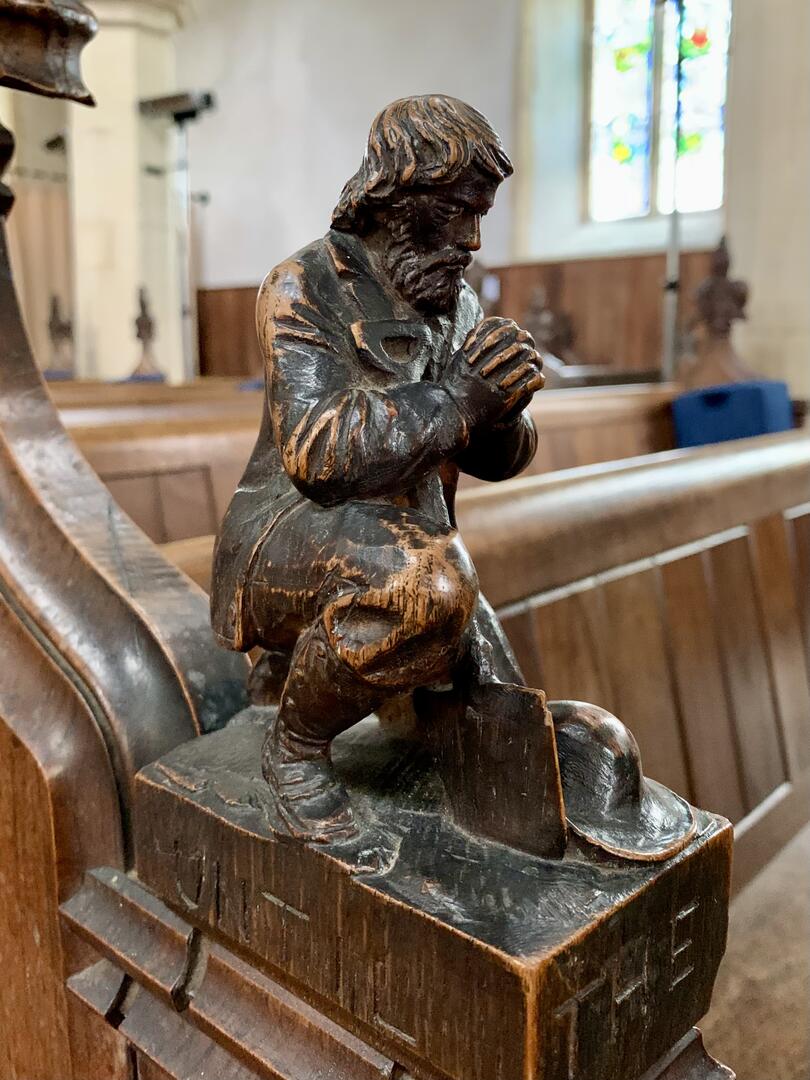
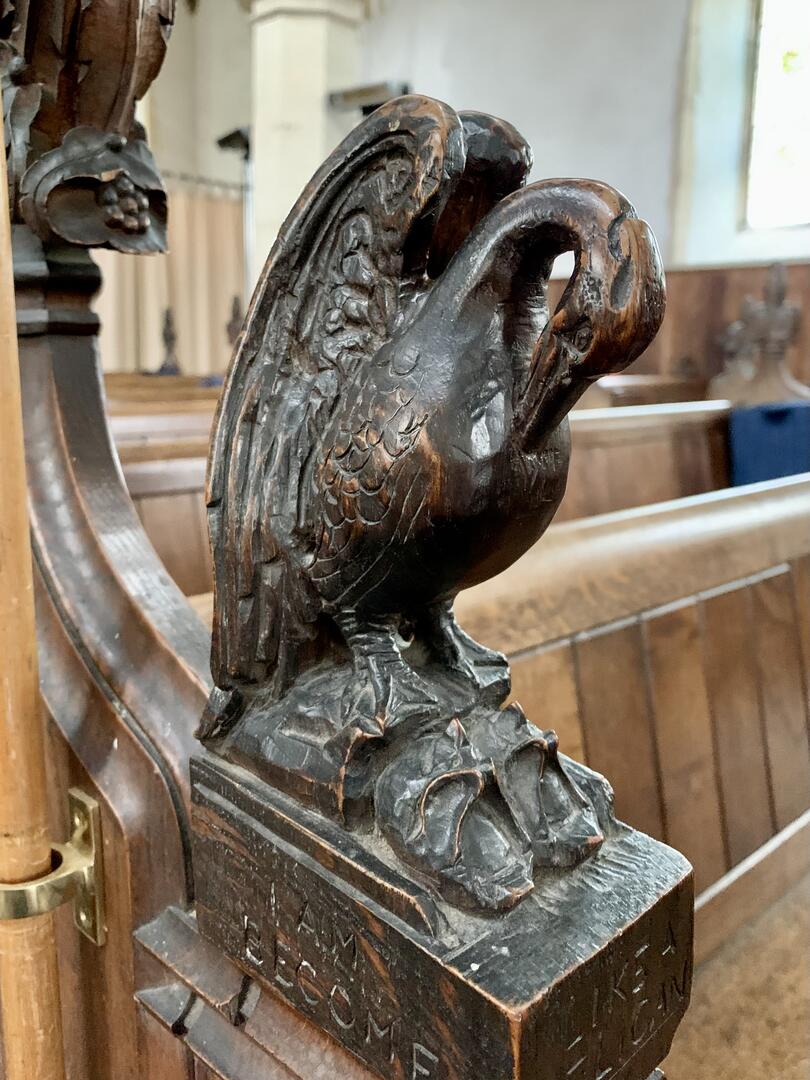
Some 300 years earlier the largest round church tower in England, a full 10 metres across, had been built for St. Mary’s but sadly the roof fell in the 1780s though the original floor positions are still evident. Also, there for the visitor to enjoy is a truly remarkable collection of pew-end carvings. These, along with 19th century repairs to the fabric appear to be the work of Albert Bartram of Wortham who was both a churchwarden and a builder. There are 18 carvings, inspired by Psalm 104, the first book of Samuel and the Gospel according to St. Matthew. We show two of the carvings here and all will be displayed shortly elsewhere on this site. One carving was stolen in 2008, a replacement being skilfully provided by Wortham resident, Graham Trudgill in 2011.
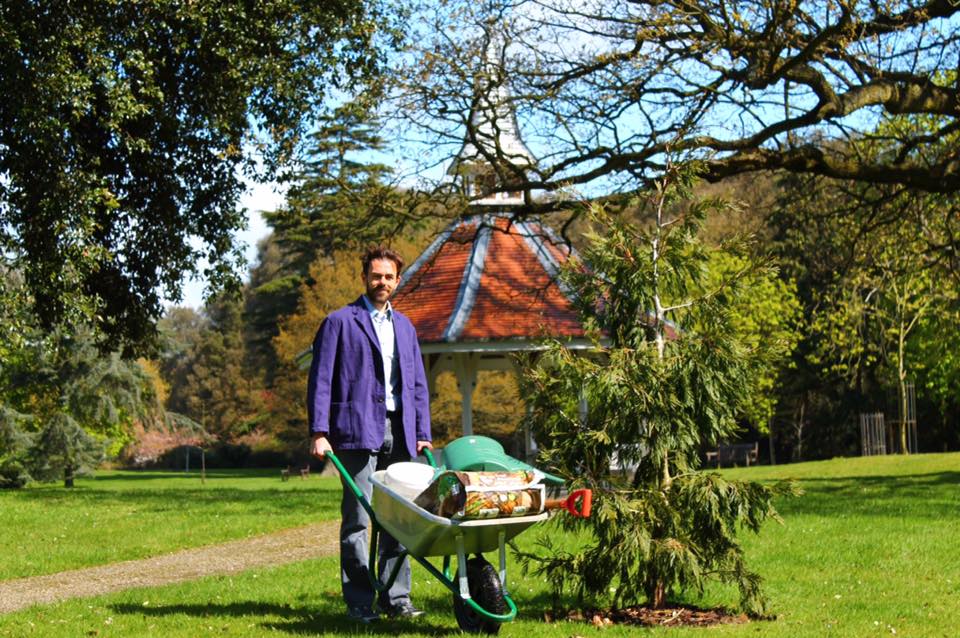
Photographs of the carvings and their inscribed inspirations were kindly given by DavidMiller who with his wife, Sarah are good friends of the Trust. Attentive family members will remember David as Chair of the Friends of Christchurch Park and a one-time moving light (and principal waterer!) of Ipswich Arboretum. He kindly keeps an eye on the Cut-Leaf Beech we planted to mark the tercentenary of the brewery.
Although Richard Cobbold sold the living of Wortham to King’s College, Cambridge to provide for his children, that was not the end of the Cobbold connection. In 1935 HubertGeorge Hiller #3003, a King’s choral scholar was appointed to the living, and officiated there in 1958 at the marriage of his son, George Edward Dacre Hiller (1922-2017) #609 to Constance ChevallierCobbold (1930-2016) #608.
Anthony Cobbold
St Mary, Wortham
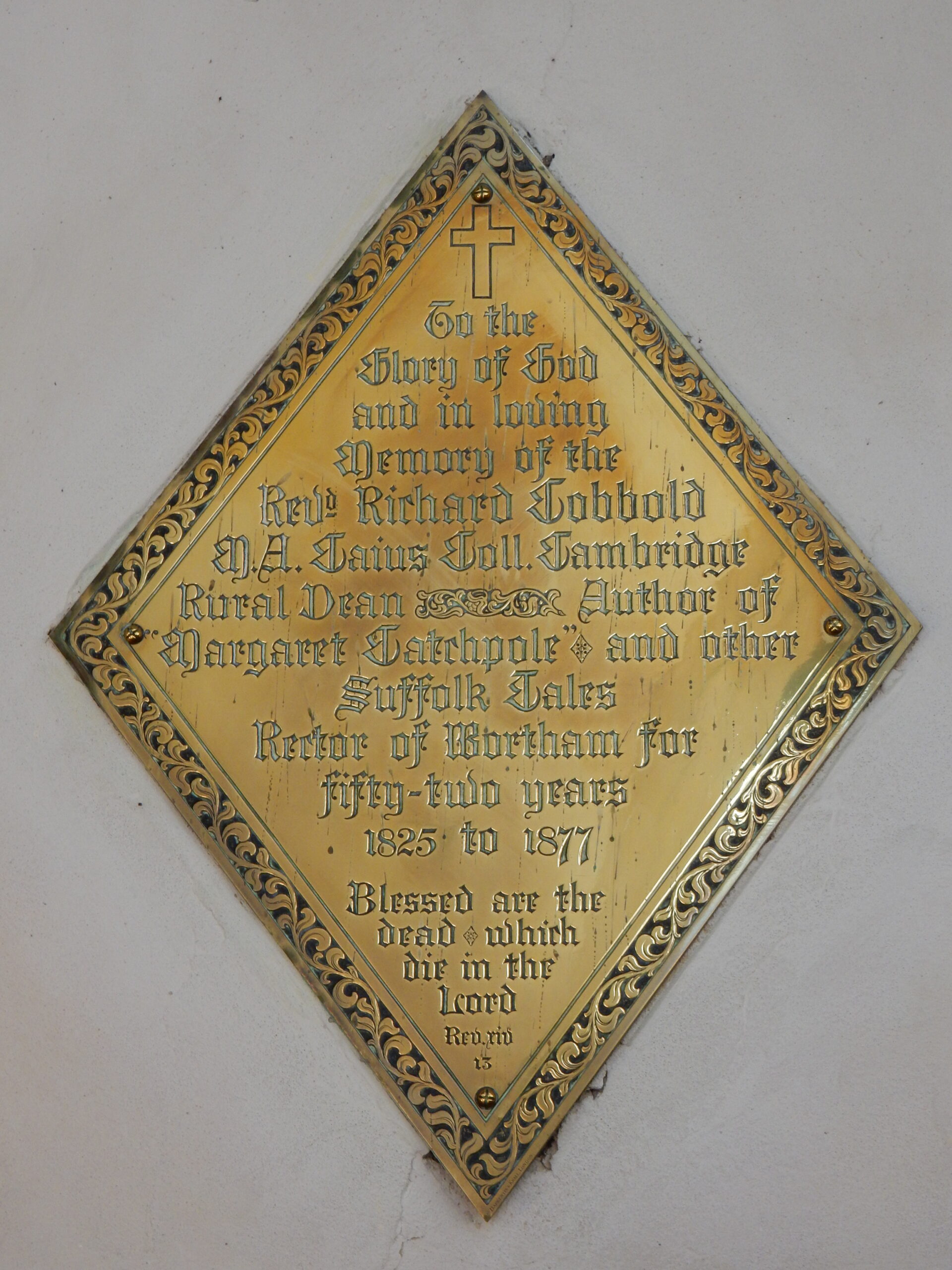
Memorial to Richard Cobbold
Workman kneeling at prayer, leaning on his spade – ‘Until the evening’ (Psalm 104;23)
Pelican pecking at her breast with chicks – ‘I am become like a pelican in the wilderness’ (Psalm 102;6)
“Nobody should lose the joy of living in the fear of death.”
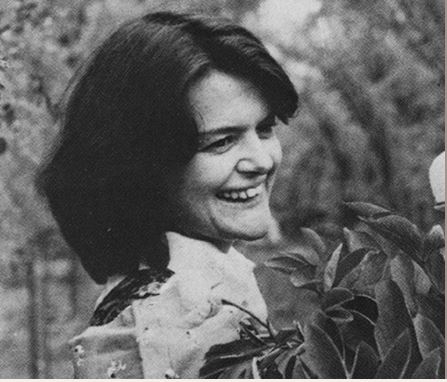
Margaret Keswick Jencks (Maggie)(1941-1995) #2339 came from a high-achieving family. The Keswick business dynasty was founded in the 19th century when Scotsman WilliamKeswick (1834-1912) #978 joined the Far Eastern business of Jardine Matheson whose origins were in the opium trade. The story of the family across five generations is told in their biographies on the family tree, but it was the third generation Sir John (the Younger) Keswick(1906-1982) #985 whose daughter, Margaret (Maggie) founded the cancer charity which bears her name.
Following H M The King’s diagnosis it seems appropriate to tell Maggie’s story.
Maggie was a writer and garden designer. With her father, she founded the Holywood Trust (south-west Scotland) and the Keswick Foundation (Hong Kong). Her book on Chinese Gardens is widely regarded as a classic on the subject and she was commissioned for many garden and interior design projects.
When Maggie was 47, she was diagnosed with breast cancer and five years later, in May 1993, she was told that it had returned and was given three months to live. After hearing this, Maggie and her husband Charles Alexander Jencks (1939-2019) #6738 were moved to a windowless corridor where they were left to process the news. While sitting in that corridor they discussed the need for somewhere ‘better’ for people with cancer to go, outside, but near the hospital. Maggie joined an advanced chemotherapy trial and lived for another 18 months. During that time, she worked closely with her medical team, which included oncology nurse, Laura Lee, now Dame Laura Lee DBE, and 23 years later still Maggie’s CEO, to develop a new approach to cancer care.
Maggie believed it was important for people with cancer to be informed participants in their medical treatment and researched cancer centres across the world to find ways in which people could live better with cancer. She envisaged, for the first centre, a welcoming and positive space in which people with cancer, and their family and friends, could meet other people in similar circumstances and receive support including advice on their treatment, how to manage stress and get psychological help.
After her diagnosis, Charles not only supported her through her treatment but also in her idea of better spaces for people with cancer. He encouraged her to set up the very first centre that bears her name and after her death continued to champion the huge importance of environment in helping inflicted patients and their families. That first centre was near the hospital where Maggie was diagnosed. Since then, Maggie’s has gone from strength to strength and now has 26 UK centres and 3 International, all based on her determination that “people should not lose the joy of living in the fear of death.” Her son, John and daughter, Lily are both Honorary Patrons, and Maggie’s Centres are welcomed and admired world-wide. H MThe Queen is their enthusiastic President. Surely this equips her well to tend His Majesty through his treatment?
The Trust and all our families wish him a speedy and complete recovery.
It is not unusual for our website to attract enquiries. One such example was an email from the production company making an episode of Songs of Praise for the BBC. It was to feature Durham University, and the producers were anxious to learn more about one of Durham’s famous fellows: none other than Temple Chevallier (1794–1873) #2116 on the web family tree. We were not only able to answer their questions but we had a photograph of him and, better still, we were able to put them in touch with his first cousin, though many times removed, Hugh Chevallier (1962) #9062. Hugh is Co-Editor of Wisden Cricketers’ Almanack.
Temple was an extraordinary man. There is a comprehensive biography on the website, but briefly he was a Cambridge scholar, wrangler and prizeman, a Fellow of Pembroke College; a vicar of St Andrew the Great and twice Hulsean lecturer, before going to Durham University at around the time of its foundation, where he became Professor of Mathematics, Professor of Astronomy and Reader in Hebrew as well as being perpetual curate at Esh and a canon of Durham Cathedral. His passion for astronomical observation led to his establishing the Durham Observatory, and to a lunar crater bearing his name.
One of the duties of the occupant of the Temple Chevallier Chair of Astronomy at Durham University is to deliver an occasional lecture. Somewhat delayed by Covid the present incumbent, Professor Martin Ward (a renowned observational astrophysicist) kindly invited Hugh and me to attend his lecture last November. Sadly, I was unable to accept the invitation but Hugh attended and sent me the following comments:
It was a long way from rural Hampshire to the city of Durham, but it was well worth the effort. In truth, the trains worked very smoothly, and the university generously put me up in a city-centre hotel, so the hardship was minimal. And the reward great.
Martin Ward, the Temple Chevallier Chair of Astronomy, divided his lecture – The End is Not Yet Nigh: The Ultimate Fate of the Universe – into three distinct parts: a short biographical note on Temple; a brief look at eschatology in various faiths; and the scientific view of the end of everything. It was serious stuff, but riveting, and Martin lectures with such clarity that even someone as scientifically illiterate as I can understand what he’s driving at. Or at least I thought I could at the time.
The dinner afterwards was a civilised affair. It was held in the senior common room of St Chad’s College, and in attendance was a raft of impressive intellects: the dean of Durham cathedral; an astrobiologist; a world expert in dark matter; the head of physics; the head of astronomy; a professor of bioengineering; plus many others. And me. But everyone was very kind, and one or two professed an interest in Wisden, my employer. The food and drink were excellent. Martin had even procured a bottle of Chevalier brandy (single L, but the thought was appreciated) to pass round the table.
Talking of Wisden and of substantial intellects, I have today commissioned your nephew (I believe) to write for us. I have absolutely no doubt James will produce a magnificent and original piece for Wisden 2024.
‘James,’ I assume to be James Runcie (1959) #3786, author, inter alia of the famous Grantchester series.
While at Durham University, Temple Chevallier, in his capacity as perpetual curate of Esh, lived at nearby Flass Hall, rented from the miserly Jane Peat. He reported it to be dilapidated, having been lived in for decades by a resident who had cut his own throat after squandering his fortune on gambling. By chance, the Hall was on the market at the time of Hugh’s visit to Durham and looked anything but dilapidated.