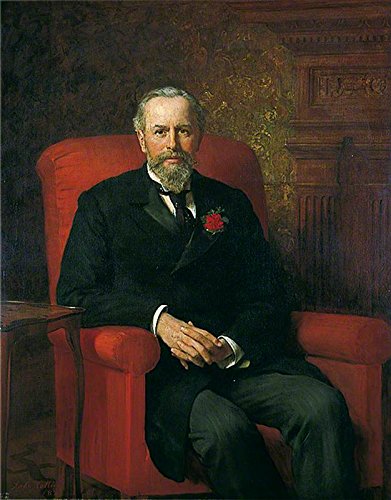
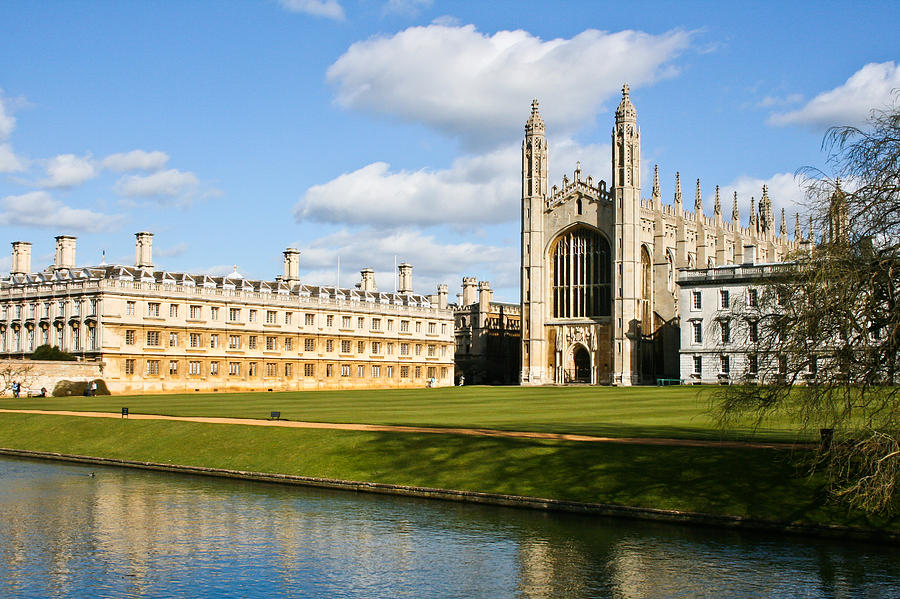
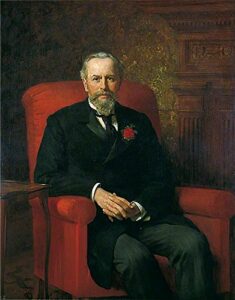
On 29th April the sale of fine wines from the cellars of King’s College, Cambridge closes. Many family members have enjoyed the fruits of these cellars over the years (not least Felix Thornley Cobbold (1841-1909) #201 as a fellow, junior bursar and donor) and one can only guess that the number of bottles remaining is too few for dinners in hall.

The highlights include 12 bottles of a Domaine Dujac, Charmes-Chambertin 2006 with a pre-sale guide price of £4,800-£6,500 and 2 bottles of Château Rayas, Châteauneuf-du-Pape, 2000 with a guide price of £8,500-£12,000.
None of these are ‘Mountain Wines’ by today’s definition which is broadly wines from vines grown at altitudes which prior to global warming would have been judged unthinkable.
During the 18th century, ‘Mountain Wine’ was the term used to describe Spanish dessert wine popular in England. English cider makers sometimes sent their cider on a sea voyage, as did winemakers in Madeira, to improve it.
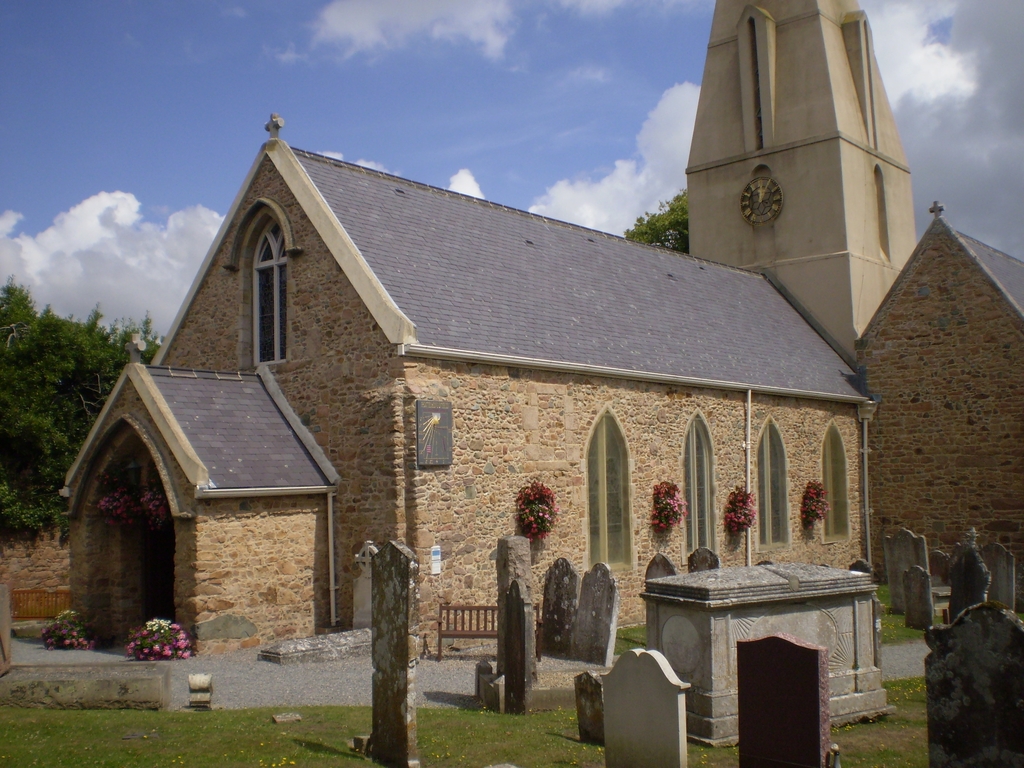
Rev. François Le Couteur, (1744-1808) #15473 Rector of Grouville in Jersey, known locally as ‘the mighty fighter for God’, was a significant figure in agriculture on the island and a major producer of cider. In 1801 he wrote:
I had three hogsheads of cider which I left to work on the lees, after which I had it racked three times; and, in March 1789, I put half a gallon of Coignac brandy into each hogshead, and soon after I had it bottled off. I had exactly sixty dozens, which I put on board the ‘Peggy’ (Captain Thomas Bandinal) [born 1763, #15462] and sent them to the Bay of Honduras.
The heat of the climate made a great many of the bottles fly during the passage. The remainder, (the bottles included), was sold as mountain wine, at the rate of forty-three shillings a dozen.

One hears that the practice of doctoring up cider and selling it as Málaga, the Spanish dessert wine, was quite common… but not amongst the clergy, one hopes.
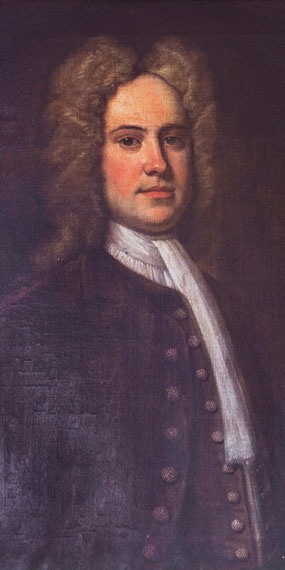
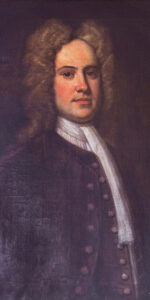
Nearer home the world-famous organic Aspall Cyder business was founded in 1728 by Clement Benjamin Chevallier (1698-1762) #1330 who had brought a Normandy cyder press to Suffolk the previous year. He had no need to ‘doctor’ his product.
Anthony Cobbold
(Thanks are due to Lew Nichols and Annie Proulx)