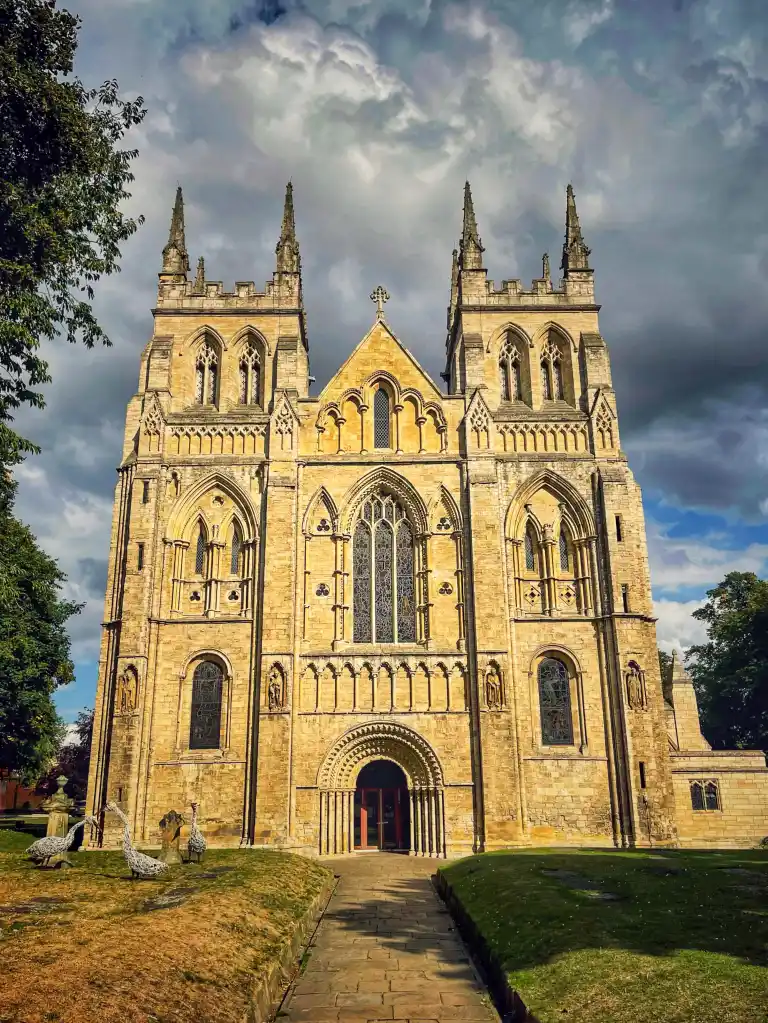
At the dawn of the twelfth century, England’s religious houses were so few they could be counted on one hand. By the century’s end, more than 300 abbeys and monasteries were scattered across the land — a testament to the spiritual fervour of medieval England. Among them rose Selby Abbey, built on raised ground above the low-lying banks of the River Ouse.

Founded around 1070 by Abbot Benedict as a modest wooden structure dedicated to St Mary and St Germain, it was his successor Hugh who began the great stone building that largely survives today. Romanesque in character and formidable in presence, the abbey endured the upheaval of the Reformation — though its Benedictine monastic buildings did not. As a “Mitered Abbey,” its abbot once enjoyed the rare papal privilege of sitting in the House of Lords.
Time, however, has never been gentle. The central tower collapsed in 1690. Victorian restorers later stepped in: first the eminent architect George Gilbert Scott in the 1870s, followed by his son John Oldrid Scott in the 1880s. Each generation left its mark.
But nothing would test the abbey’s resilience — or its leadership — like the fire of 1906.
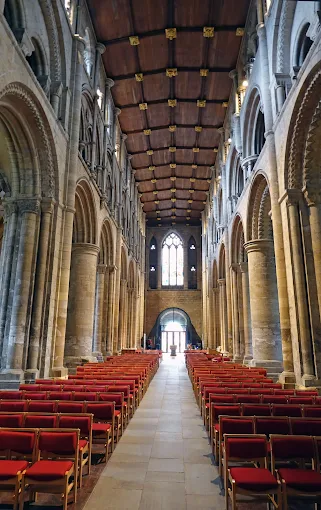
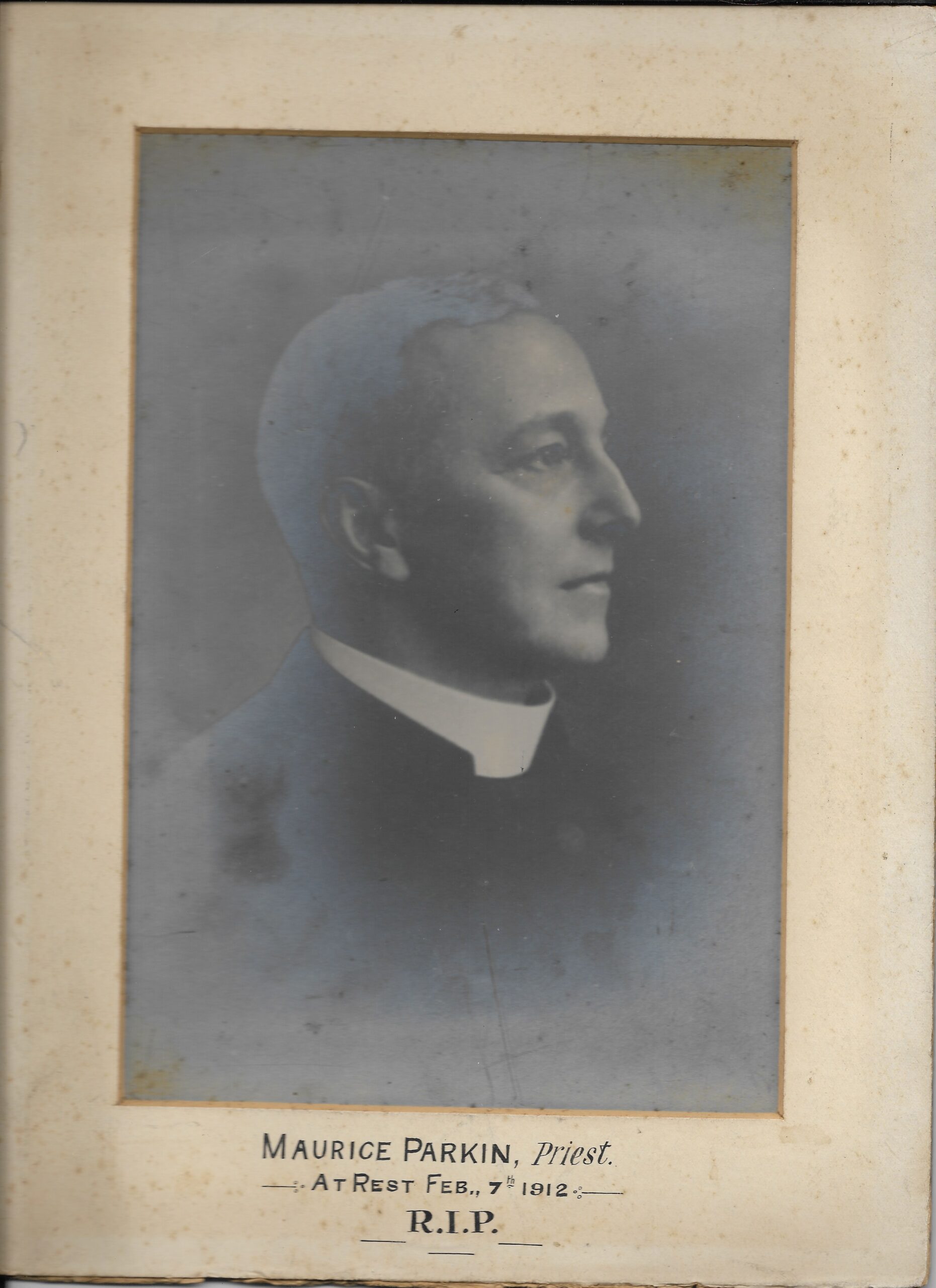
On 19 October 1906, flames tore through the nave and choir during the vicariate of Maurice Parkin (1895–1912) # 550. The destruction was devastating. For many communities, such a catastrophe might have signalled decline.
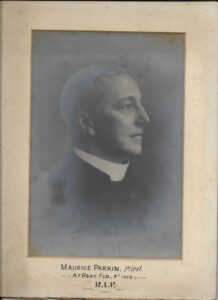
For Parkin, it was a call to action.
Contemporary reports speak of his “optimism and zeal.” Those words barely capture the scale of what followed. Within a year — remarkably — the restored nave was re-dedicated on 19 October 1907. Two years later, on the same date in 1909, the choir too was restored and reopened. The speed of recovery was extraordinary for its time, and it was driven by Parkin’s energy, determination, and refusal to let Selby’s great church slip into ruin.
He did not simply oversee repairs; he galvanised a community. Under his stewardship, Selby Abbey was not merely rebuilt — it was reborn.
Amid fire, collapse and restoration, one treasure endured: the 15th-century Washington Window.
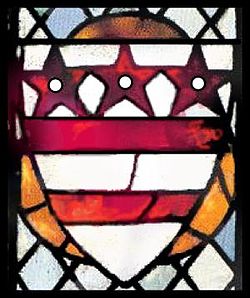
This remarkable glass commemorates John Wessington, Prior of Durham from 1416 to 1446, whose benefaction brought welcome funds to Selby. Wessington was an ancestor of George Washington, first President of the USA and his heraldic arms — stars and stripes — are widely believed to have influenced the design of the American flag.
Today, visitors from the United States flock to this quiet corner of North Yorkshire. The abbey forms part of American heritage trails, linking medieval England to the founding of a nation across the Atlantic.
Anthony Cobbold