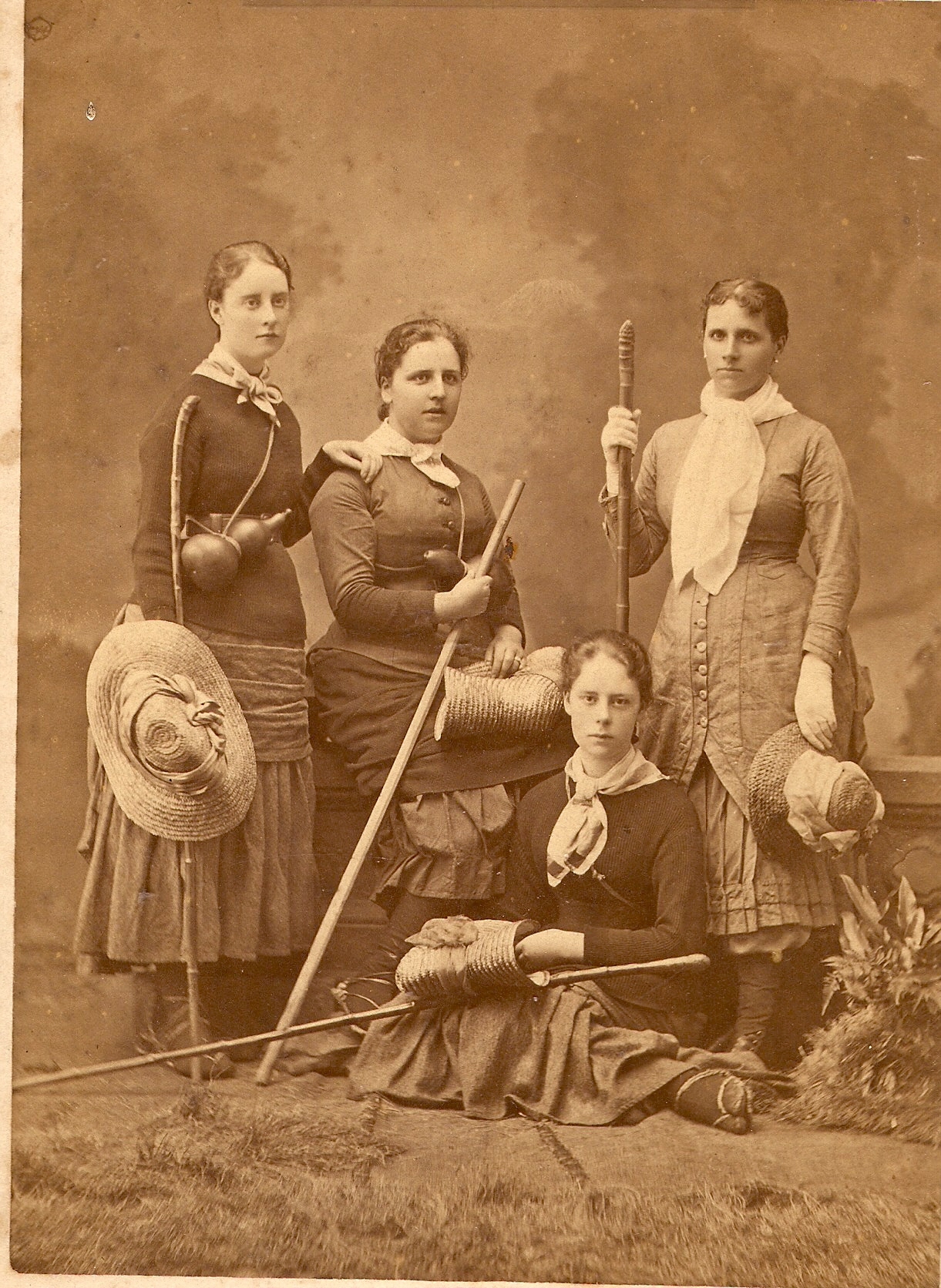
In 1867, when women’s horizons were narrowly drawn and adventure was rarely considered a feminine pursuit, one remarkable woman quietly made history on the slopes of Mount Fuji.
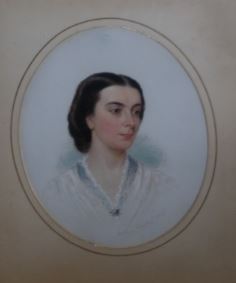
Lady Fanny Parkes (1831–1879), wife of Sir Harry Parkes, Britain’s principal diplomat in China and Japan, became the first non-Japanese woman known to have climbed Japan’s most sacred mountain. Her ascent was all the more extraordinary given that women were officially forbidden from setting foot on Mount Fuji at the time.
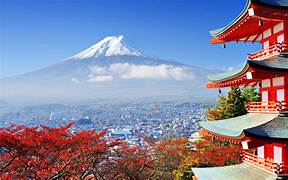
Rising more than 12,000 feet above the island of Honshu, Mount Fuji is an active stratovolcano and one of Japan’s Three Holy Mountains. For centuries it has been a powerful cultural symbol, celebrated in art and poetry and revered as a site of pilgrimage. In June 2013, it was recognised internationally with inclusion on the UNESCO World Heritage list.
Yet in the mid-19th century, Fuji was still legally closed to women. That ban was not formally lifted until 1872, when a Grand Council of State edict declared that “any remaining practices of female exclusion on shrine and temple lands shall be immediately abolished, and mountain climbing for worship shall be permitted.” Lady Parkes’ ascent came five years earlier — clear evidence that reality was already outrunning regulation. She was not alone in defying convention: the first recorded Japanese woman climber, Tatsu Takayama, had reached the summit as early as 1832.
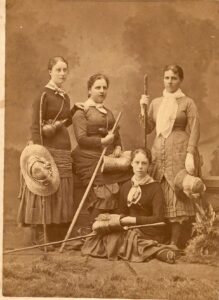
The significance of Lady Parkes’ climb was remembered decades later by her daughter, Lillian Cobbold (née Parkes), who wrote to The Times in August 1932 under the heading “An Ascent of Fusiyama.” Reflecting on a contemporary Alpine climb, she recalled her mother’s achievement:
“Though Fusiyama is some 600 ft. lower than the Eiger and would not be called difficult today, yet its ascent by a woman so long ago elicited the admiration of her companions and kindled the amazement of the Japanese in their pre-westernized days.”
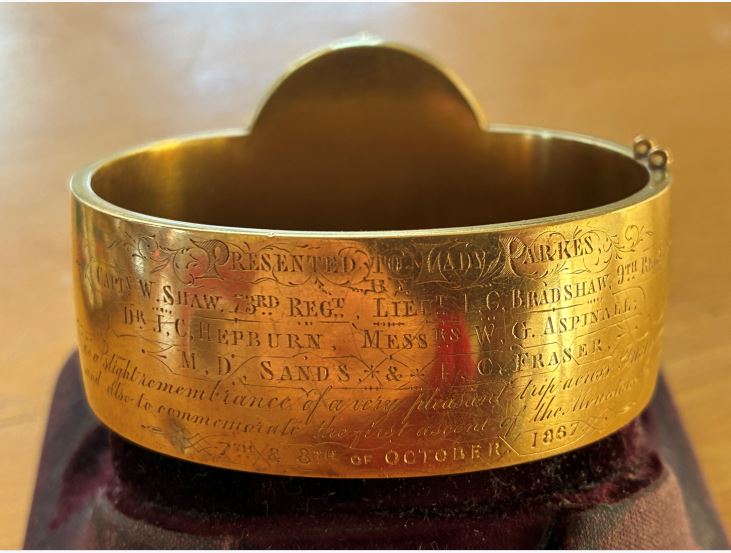
Lillian went on to describe a personal keepsake that testified to the moment: a gold bracelet inscribed with the names of Lady Parkes’ companions and commemorating “the first ascent of the mountain by a lady, 7th and 8th Oct. 1867.”
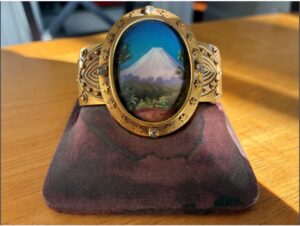
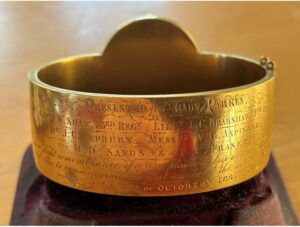
Among those companions was Dr James Curtis Hepburn, an American physician, educator, and medical missionary living in Yokohama. Hepburn and his wife Clara founded the Hepburn School, which later became Meiji Gakuin University, and his legacy is still honoured in Japan today. In 1867 — the very year of Lady Parkes’ climb — he published a Japanese-English dictionary that would become the standard reference work for generations.
Lady Parkes’ ascent of Mount Fuji was more than a physical feat. It was a quiet act of defiance, curiosity, and courage — a reminder that history’s boundaries have often been crossed long before they were officially erased.
Anthony Cobbold and Carolyn Cobbold