Family members will have heard of the three Chevallier – Cobbold marriages, but just as a reminder:
John Wilkinson Cobbold (1774-1860) #77 married in 1796 Harriet Temple Chevallier (1775–1851) #78
Isobella Frances (Fanny) Cobbold (1834-1917) #205 married in 1832 Rev. Canon Charles Henry Chevallier (1823-1885) #206
Isabel Amy Cobbold (1869-1931) #208 married in 1897 John Barrington Trapnell Chevallier (1857-1940) #207
Isabel Amy and John Barrington’s daughter Perronelle (1902-2004) #709 expanded the organic credentials of the family cyder business (note the unique Suffolk spelling), Aspall, and was herself a founder member, with Lady Eve Balfour (1898-1990) #7700 of the Soil Association.
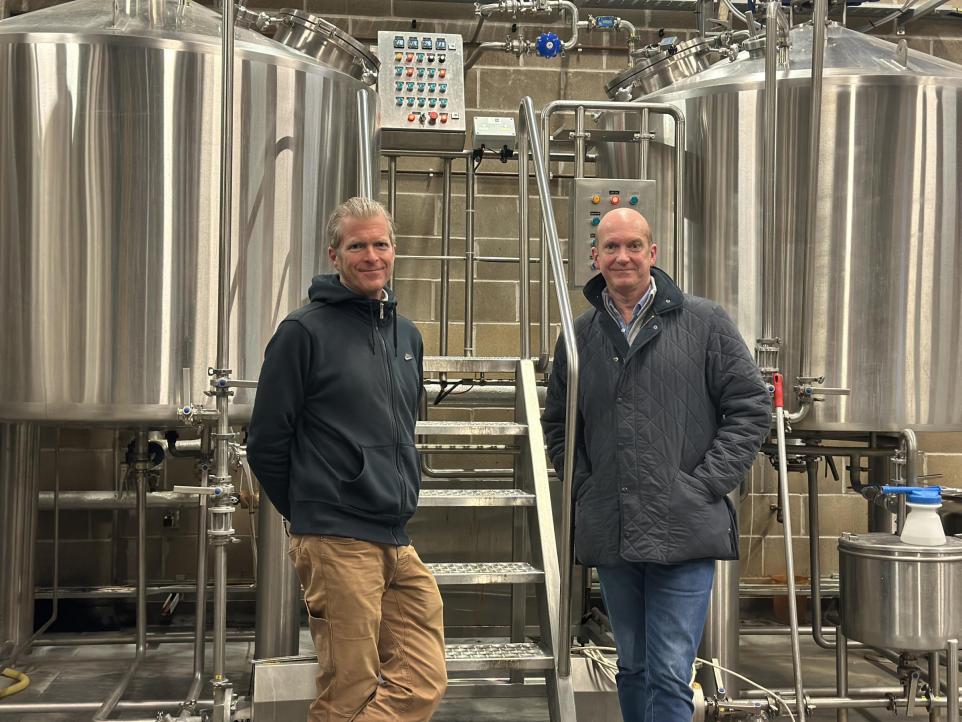
Perronelle’s grandchildren, brothers Barry (1967) #2257 and Henry (1968) #2258 expanded the business still further until the need for capital was so great that they had no alternative but to sell the business. The buyer was Canadian / American multinational Molson Coors and the deal was concluded in 2018.
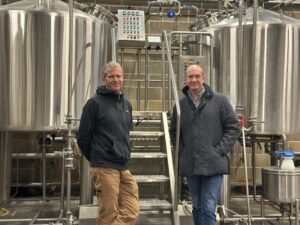
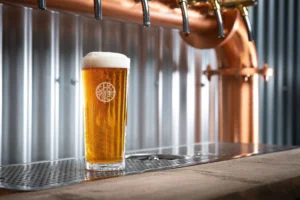
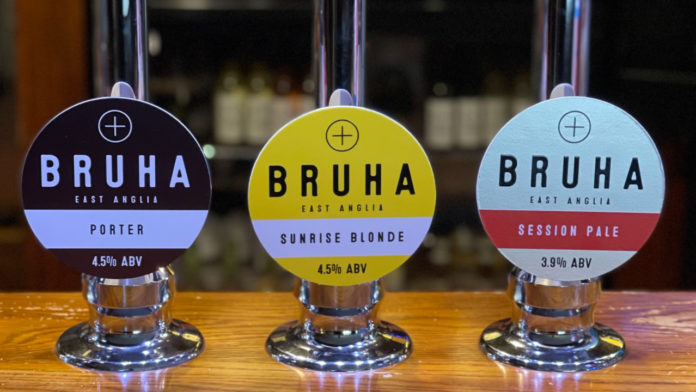
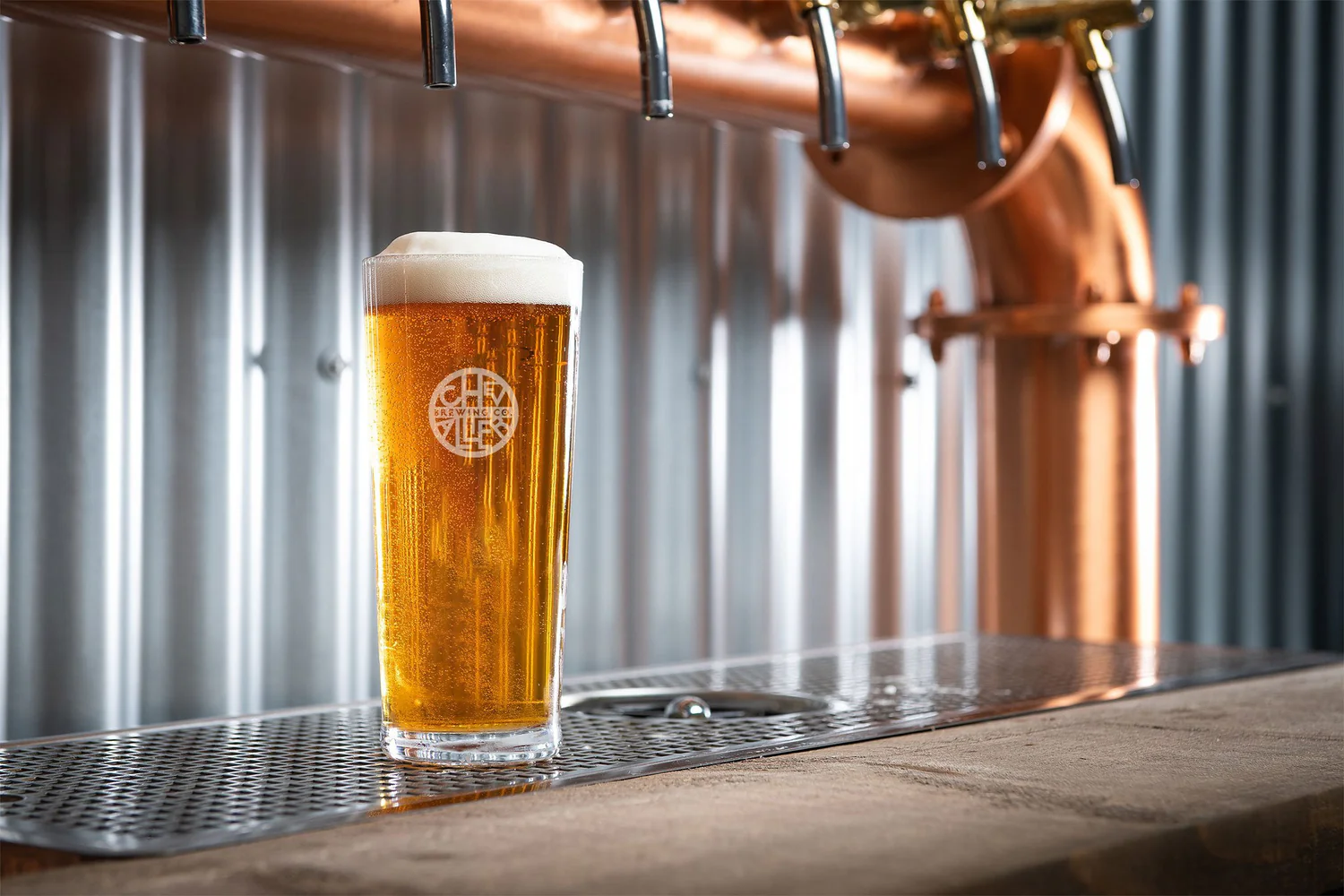
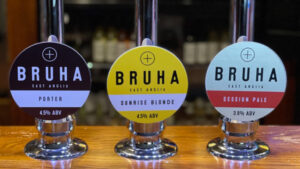
NOW, the brothers have acquired BRUHA Brewing, based in Eye, Suffolk and specialising in using only Barley grown in Suffolk, Norfolk or Cambridgeshire and selling locally to ensure maximum quality for the drinker and minimum food miles for the planet. Three brands are being developed under the masterful head brewer Marc Medland: BRUHA for cask; The Chevallier Brewing Company for lagers and kegged ales and last, but not least, Paladin for nitro stout.
John Wilkinson’s brother-in-law, Dr. Rev. John (Barley) Chevallier (1774-1846) #729 earned his soubriquet by being the originator of much revered Chevallier Barley which became the Barley of choice in the 18th century for half the world’s brewers, so along with their relationship with the famous Cobbold brewing dynasty the production of high-quality beers is not new to the Chevallier family.
The last week in September was National Cask Ale Week and one of the seven best ales recommended was Chevallier Brewing’s Cupshot Bitter, made using UK Jester and Harlequin hop varieties. The name, we are told, comes from an old English phrase meaning “mildly intoxicated without being drunk.” So now you know what to say when you arrive home late in the evening!
Anthony Cobbold