It all began with a dinner party in Bristol, back in 1955. Anthony Cobbold (#539)’s father was celebrating his 50th birthday and decided to mark the occasion with a small family gathering. Alongside the roast and reminiscing was a clever touch: a family tree printed on the back of the menu. For 20-year-old Anthony, it was a revelation—something about seeing those relationships laid out visually lit a spark that, although dormant for a while, never quite went out.
As life marched on—career, marriage, mortgages, and children—the idea simmered quietly in the background. The occasional reference to Cobbold connections in banking, brewing, football, or even civic life in London helped keep that flame alive. When time finally allowed in the early 2000s, Anthony dove into family history with a storyteller’s passion and a visual learner’s eye. Anthony proudly identifies not as a traditional genealogist, but as a “family history storyteller.”
Anthony’s curiosity soon spilled beyond the Cobbold name. He began exploring the fascinating families they married into—names like Chevallier, Fiske, and others rich with history. His focus was less on tracing back to Adam and Eve and more on the Georgian and Victorian heyday when Brits were, quite literally, everywhere.
By 2004, he’d accumulated enough material to warrant preserving it properly. The Cobbold Family History Trust was born, with formal legal backing and a mission to ensure the legacy would outlive him. Anthony covered many of the running costs personally but has also raised money from Cobbold family members worldwide and has established a £40,000 endowment fund to secure its future.
In 2011, the Trust became a registered charity (No. 1144757), unlocking Gift Aid and a responsibility to demonstrate a public benefit. The website is free and open, exhibits have begun, and publications are appearing in print. By telling the stories of individual family members, who worked in trade, academia, the church, sport and the arts, the trust provides a fascinating five hundred years of social history.
The Trust is now housed at Knebworth House where Henry Lytton Cobbold is taking a keen interest in promoting the family tree as an excellent case study of how a documented family tree contributes meaningfully to public education and social history.
The Cobbolds were a prominent family in Suffolk heavily involved in local industries, especially the Cobbold Brewery, founded in 1723. The family tree helps trace the economic and civic development of the region through business, philanthropy, politics and cultural life. Students can learn how family fortunes rose alongside regional industrialisation.

The family includes brewers, landowners, politicians, authors, scientists and artists, showing the diversity of roles across generations. The tree reflects changes in gender roles, education and class structures over more than 300 years.

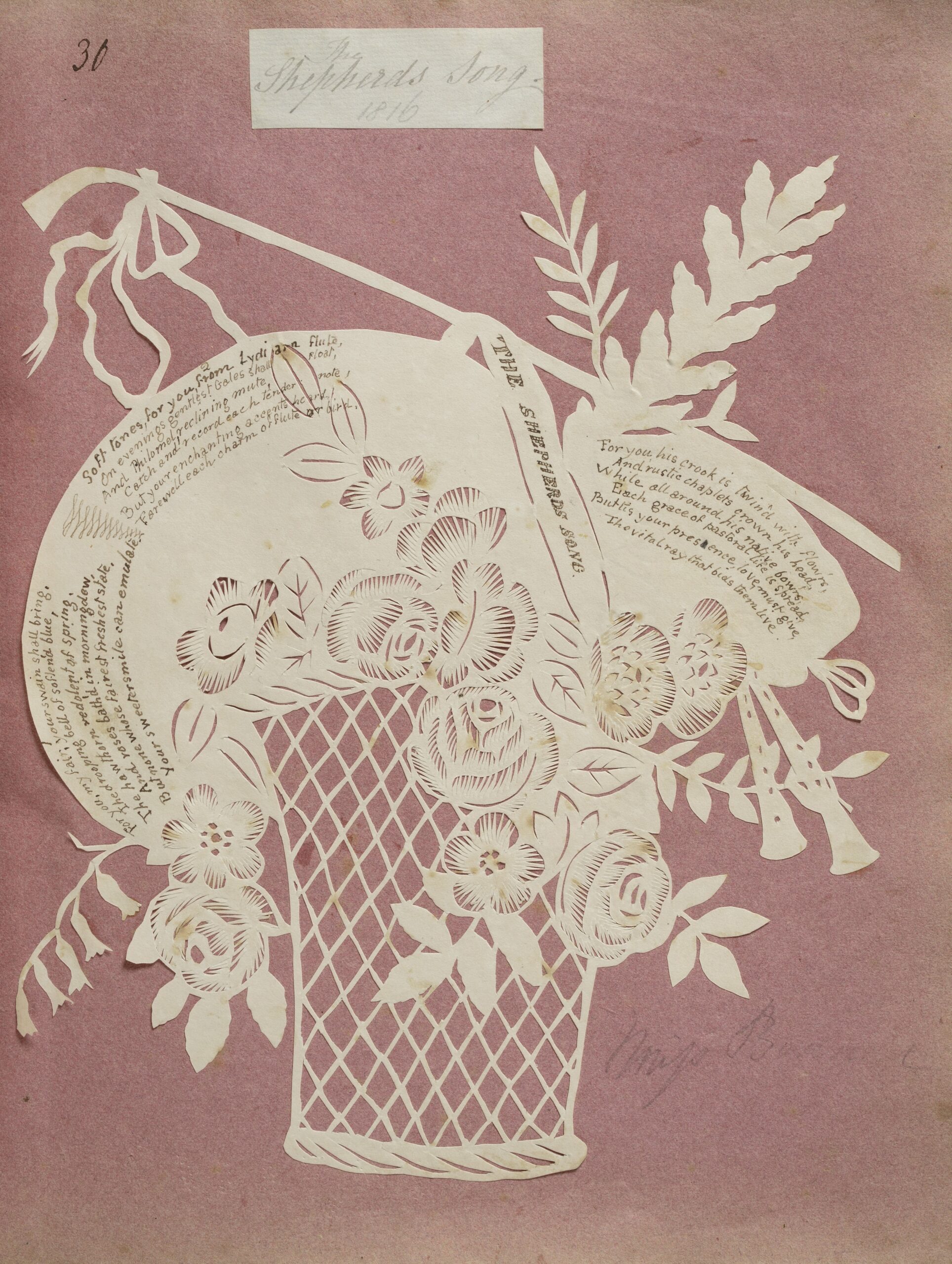
For example, Elizabeth Cobbold (1767–1824, #58) a poet and philanthropist provides insight into the lives of educated woman in the Georgian era. One of the Trust’s crown jewels is its collection of paper-cut Valentines by Elizabeth. An album of these delicate treasures was donated by Elizabeth Jauncey and the Trust now holds the world’s largest and finest collection of these charming tokens.
Family trees humanize the past by connecting names, dates, and places to real people with stories, relationships and struggles. They show how individuals and families were affected by major events, such as wars and social reforms. Extensive and well documented family trees, such as the Cobbold Tree, can illustrate how people from different regions, countries, and economic and cultural backgrounds are socially and genetically connected. They can reveal patterns of education and mobility and how individuals and families contributed to the development of industries, communities and institutions over generations.
Family trees support multidisciplinary research related to demography, genetics, migration, sociology economics and anthropology and help to democratise history.
As the Trust evolves, Anthony sees it not only as a dispenser of family history, but a preserver of it, with the Trust offering to be the final home for those bits and pieces of family memorabilia that otherwise risk ending up in landfill after a loved one passes. “The tree is the body,” Anthony says, “but the biographies are the soul.”
The Cobbold Family History Trust aims to be more than just a database of dates and names. It is a treasure chest of tales about a family from Suffolk whose descendants have forged links with other families around the world, providing a living, breathing archive of stories, triumphs, travels and romances.
Let’s keep the stories alive.