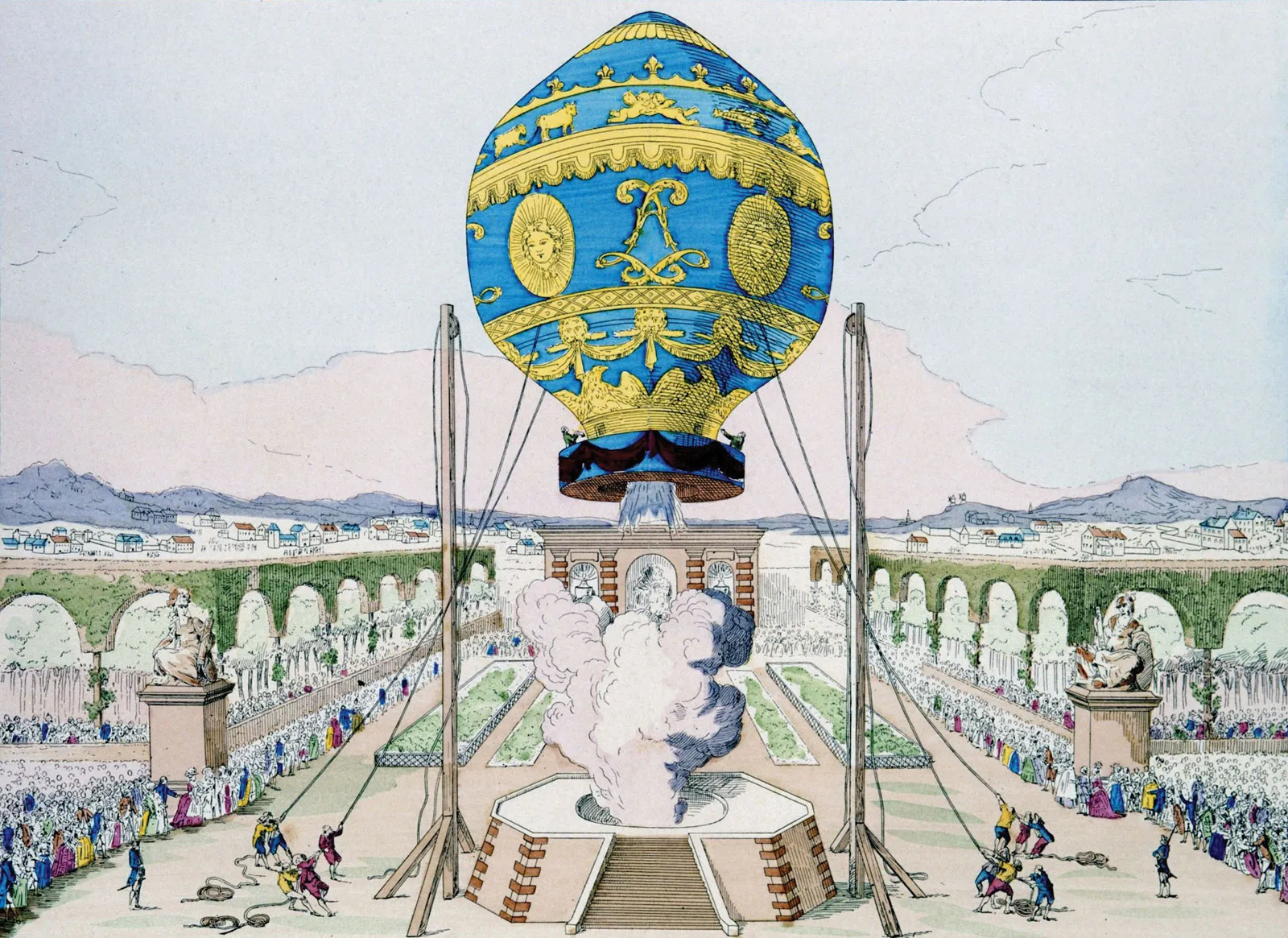
Lighter-than-air (LTA) flying is one of those topics which is never quite mainstream, but which never quite goes away. LTA flying uses the aerostatic principle of buoyancy to stay aloft and was pioneered by the French brothers Montgolfier (1740-1810) & (1745-1799) who flew the first practical hot air balloon over Paris in 1783. Replace the hot air with Hydrogen and add an engine or two and you have an airship. Interestingly, airships are on the fringes of popularity again in the 21st century for their environmental friendliness. They use less fuel than cargo ships, are faster and their cost per cargo unit is lower but there are some negatives as well.
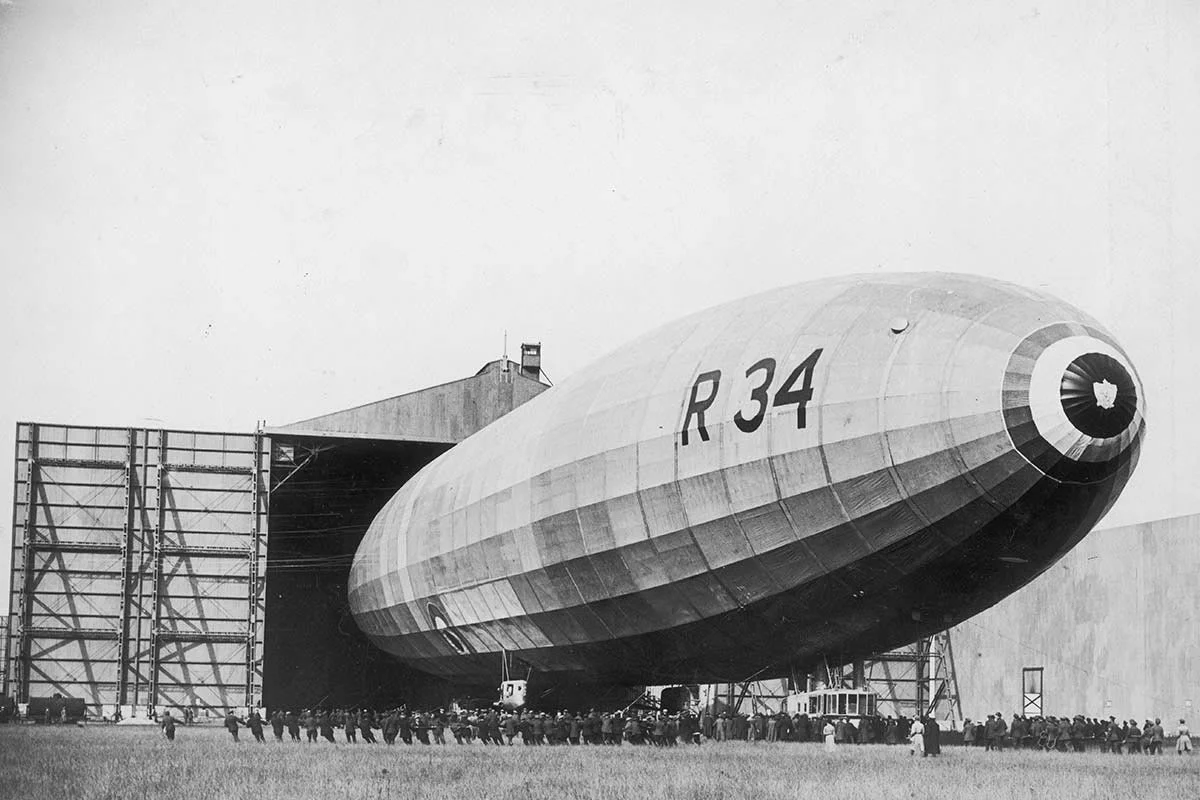
A look back into the early days of airships reveals the extraordinary story of Air-Commodore Edward Maitland (1880-1921) #15196 on the family tree who made the first airship crossing of the Atlantic in H.M.A. R34 in both directions in 1919. The Royal Navy Air Service had been merged with the Royal Flying Corps to form the Royal Air Force in 1918 so it was very early days. It would have been the first powered crossing of the ocean by air but for a delay in take-off during which John Alcock (1892-1919) and Arthur Brown (1886-1948) completed their celebrated flight in a Vickers Vimy preceding Edward Maitland by just two weeks. A full account of R34’s voyage is included in Edward’s biography here.
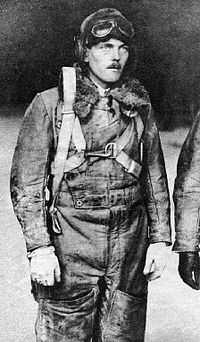
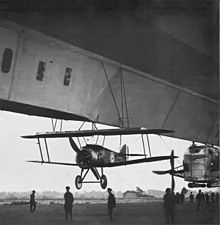
Despite his death when R38 broke up in flight and crashed in the Humber estuary in 1921, (only 5 of the 49 on board survived) the Air Ministry continued to pursue airship development. The programme aimed at producing an airborne aircraft carrier. One of the pilots chosen to test the idea was Fl. Lt. Campbell MacKenzie-Richards (1900-1927) #497. He and Flying Officer (later Air Vice-Marshal) Ragg launched their fighter aircraft from retractable trapezes under R23 at an altitude of 2,500 feet. They flew free for a while and later reattached to the airship using skyhooks. Given the rudimentary nature of flying technology in those days the skill and bravery of those two pilots is exemplary.
Sadly, Campbell died in a night flying accident in 1927 but not before he had married Mirabel Cobbold (1904-1985) #496 who bore him a daughter (Gillian (1928-1985) #498) and went on to write five books: Deborah Lee (1930); Sea Tangle (1931); Quakes (1933); Black Sash Movement (1955-56) and When Rivers Meet (1960). Mirabel’s granddaughter Claire Bell (1962) #11533 who lives in Australia and is also a writer visited the Trust in 2017 and enjoyed a tour round some of the ‘Cobbold’ locations in Suffolk.
Anthony Cobbold